

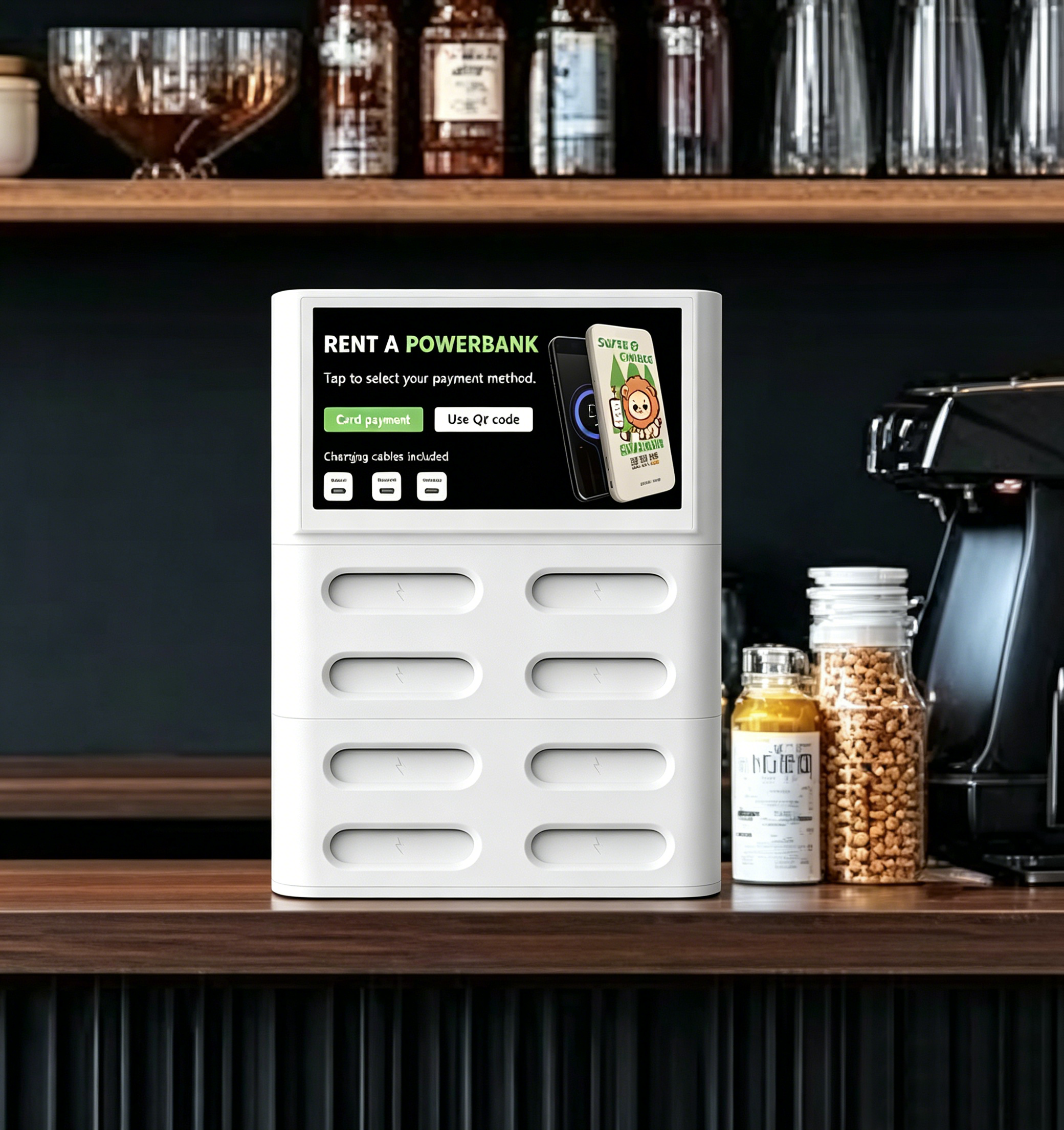
Shared Power Bank Business Mistakes: Why Projects Fail and How to Avoid Them
Many shared power bank business mistakes happen during the early stage of operation, causing projects to lose revenue and growth opportunities.
Understanding common shared power bank business mistakes before launching your project can help investors reduce risks and build a sustainable rental network.
Mistake 1: Shared Power Bank Business Mistakes in Hardware Selection
Many new operators focus primarily on power bank rental business cost。
A lower purchase cost may seem attractive, but unreliable hardware often leads to higher maintenance costs, more customer complaints, and frequent device failures.
Common Shared Power Bank Business Mistakes Include:
- Batteries with short lifespans
- Slow charging performance
- Broken charging cables
- Poor cabinet durability
- Unstable network connections
Over time, these problems damage user trust and reduce station utilization.
Professional manufacturers invest heavily in battery management systems, structural design, and quality control to ensure long-term stability.
Mistake 2: Ignoring Software and Management Systems
Hardware alone cannot support a large-scale rental business.
Without a reliable cloud platform, operators may struggle with:
- Device monitoring
- Revenue tracking
- User management
- Remote updates
- Fault notifications
- Inventory management
Modern shared power bank systems rely heavily on intelligent software to automate daily operations and reduce labor costs.
Choosing a provider with a self-developed cloud management platform is often more valuable than selecting the lowest-priced hardware.
Mistake 3: Poor Location Selection for Power Bank Rental Stations
Not every high-traffic location generates high rental rates.
Successful deployments typically focus on places where people stay for extended periods, such as:
- Restaurants
- Shopping malls
- Cafés
- Bars
- Hotels
- Airports
- Hospitals
- Tourist attractions
Understanding customer behavior is far more important than simply counting foot traffic.
Mistake 4: Overlooking Local Payment Preferences
Payment convenience directly affects rental conversion rates.
While QR code payments dominate in some regions, others rely on:
- Credit cards
- Apple Pay
- Google Pay
- Local digital wallets
- Banking applications
A flexible software platform that supports local payment integration allows operators to provide a smoother user experience in different countries.
Mistake 5: Launching Without a Clear Business Model
Many businesses purchase equipment based solely on their current needs.
However, successful operators often expand from dozens of stations to hundreds or even thousands within a short period.
Scalable cloud architecture, remote firmware updates, and centralized management become increasingly important as the network grows.
Choosing a system that can scale from the beginning helps avoid expensive replacements later.
The Importance of Working With an Experienced Manufacturer
A reliable shared power bank manufacturer provides more than production capacity.
The right partner should offer:
- ODM & OEM services
- Software customization
- Hardware R&D
- AI-powered operation management
- Global logistics support
- Technical after-sales service
- Continuous product upgrades
How Volinks Helps Operators Avoid These Mistakes
Reliable Hardware
- Commercial-grade charging stations
- Battery safety
- Long lifespan
Smart Software
- Remote monitoring
- Revenue tracking
- Device management
Business Support
- Location strategy
- OEM customization
- White-label solutions
This comprehensive support enables operators to focus on business growth rather than technical maintenance.
Looking Ahead
The global demand for mobile charging continues to rise as smartphones become increasingly essential in daily life.
Shared power bank services are evolving from a convenience into critical urban infrastructure.
Businesses that combine reliable hardware, intelligent software, and thoughtful operational planning are likely to remain competitive as the industry continues to mature.
Avoiding these shared power bank business mistakes can help operators build a more profitable and sustainable charging network.
Instead of asking, “How much does a charging station cost?” successful operators ask a more important question:
“How can I build a charging network that users will trust for years to come?”
FAQ
Q1:
Why do shared power bank businesses fail?
Most shared power bank businesses fail because of poor location selection, low-quality equipment, weak software systems, and lack of operational planning.
Q2:
What are the biggest mistakes when starting a power bank rental business?
Common mistakes include choosing unreliable suppliers, expanding too quickly, ignoring user demand, and failing to analyze location performance.
Q3:
How can I make a shared power bank business successful?
Successful operators focus on high-quality hardware, profitable locations, efficient software management, and continuous optimization.