

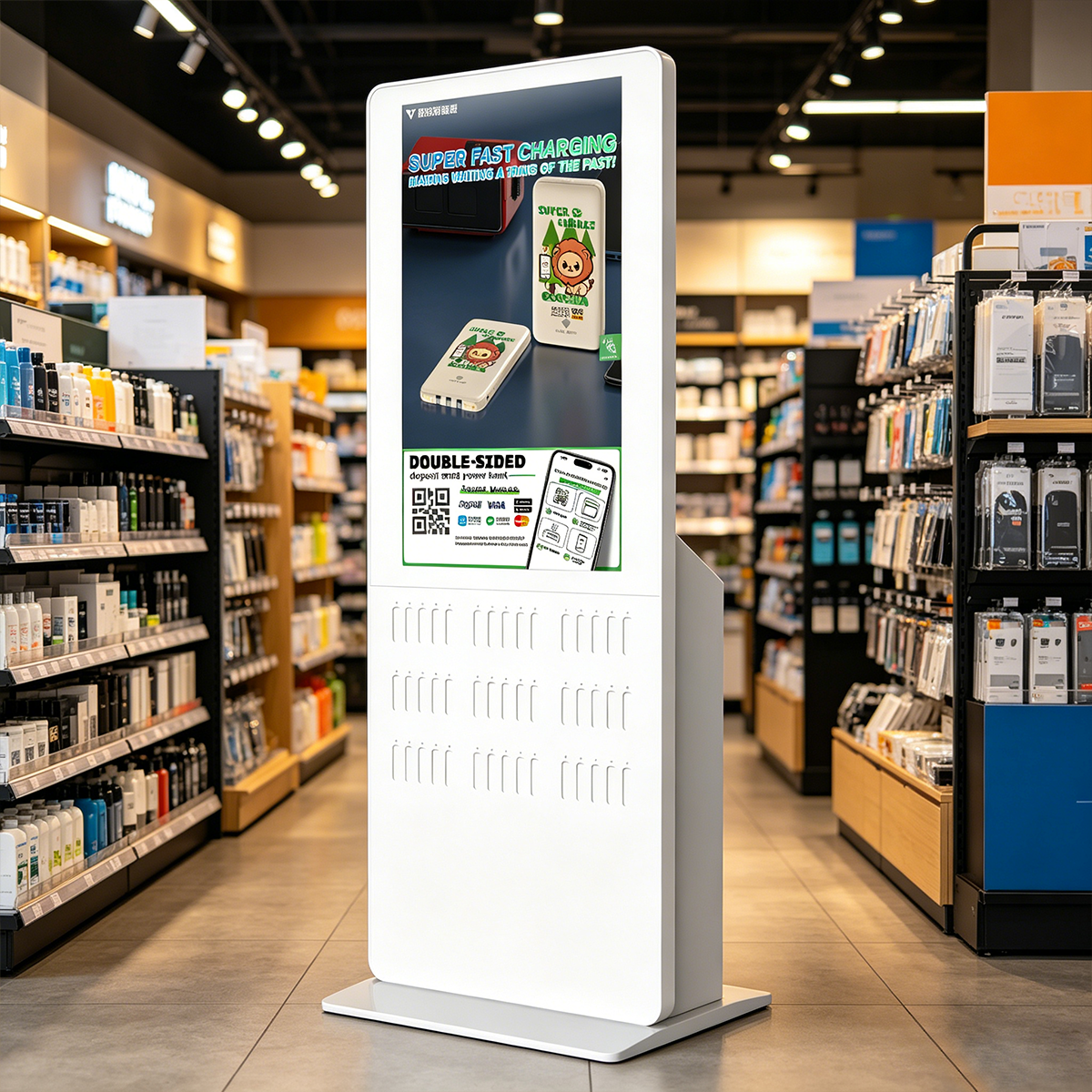
Why Shared Power Banks Are the Next Big Opportunity for Small Business Owners
The shared power bank market offers a promising opportunity for small business owners keen to enter the mobile charging solutions space. With minimal initial investment, entrepreneurs can position their stations in high-traffic locations, attracting users who need quick charging options. Focusing on areas like airports, shopping centers, and cafes can significantly enhance visibility and usage. By adopting a flexible rental pricing model and collaborating with local businesses, owners can create a steady income stream while meeting consumer demands. Understanding the dynamics of foot traffic and consumer behavior is crucial for optimizing station locations and ensuring consistent service reliability. Overall, the landscape for shared power banks is ripe for exploration and growth.
Understanding the Rise of Shared Power Banks in Tod
ay’s Market
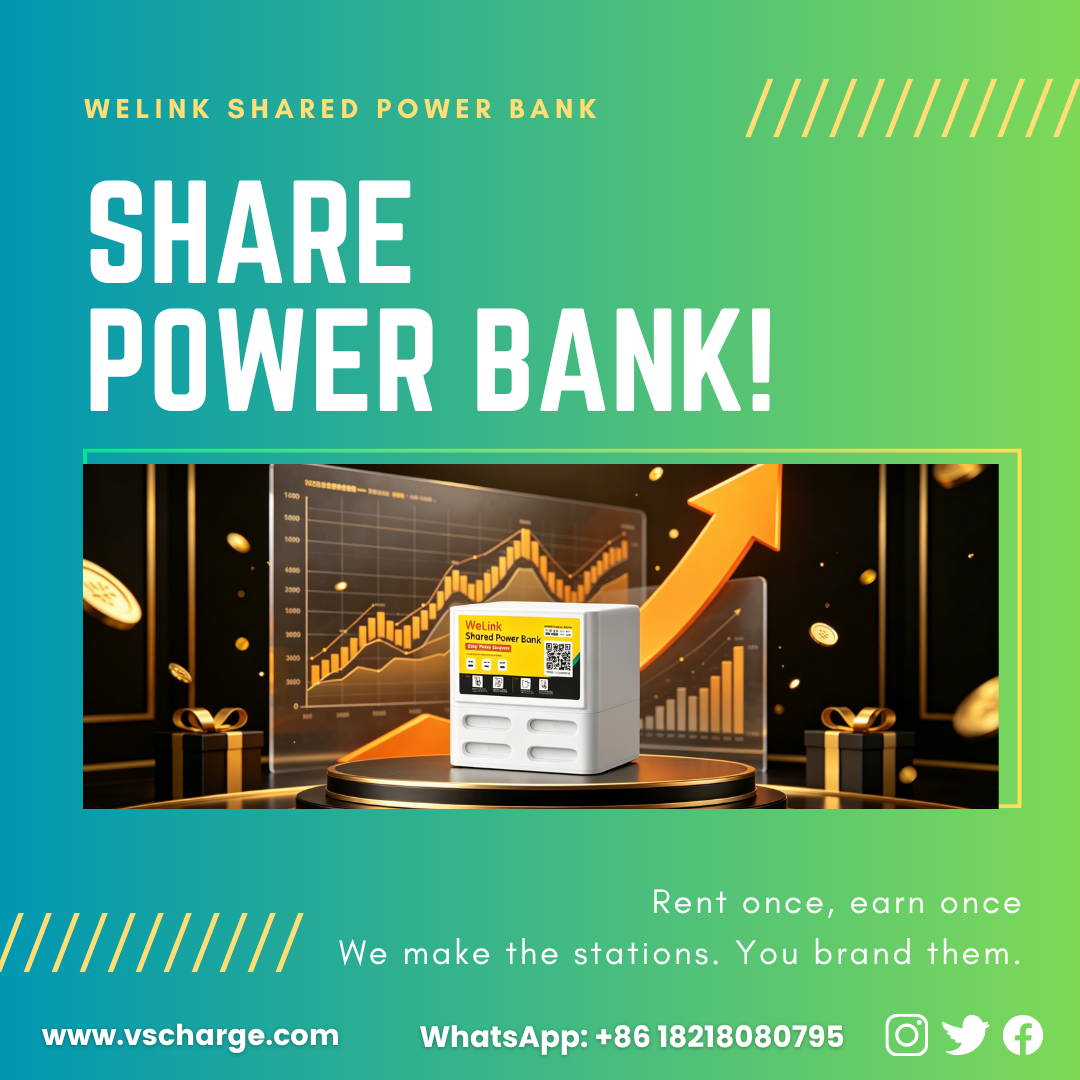
The increased dependency on mobile devices has sparked a surge in demand for charging solutions. Shared power banks, like the Welink shared power bank, have become a convenient option for users who often find themselves low on battery while out and about. In urban environments, where the pace of life is fast and connectivity is crucial, these solutions are embraced by both consumers and businesses. A staggering 70% of smartphone users express a willingness to pay for easy access to charging points, indicating a clear market need. This creates an attractive opportunity for small business owners looking to capitalize on this trend by offering shared power banks in strategic locations.
“Investing in shared power banks can yield significant returns with minimal overhead, particularly in places that attract high foot traffic.”
By positioning themselves wisely and targeting bustling areas such as airports, shopping malls, and cafes, entrepreneurs can meet this rising demand while also generating profit efficiently. As connectivity continues to evolve, shared power banks are well-poised to become an integral part of mobile charging solutions.
How Small Business Owners Can Profit from Mobile Charging Solutions
The shared power bank market is quickly becoming an attractive avenue for small business owners seeking to capitalize on the increasing demand for mobile charging solutions. By partnering with a reliable supplier like the Welink shared power bank factory, entrepreneurs can easily acquire high-quality charging stations that cater to consumers in busy environments. Targeting high-traffic locations such as shopping malls, transit hubs, and event venues can drive substantial foot traffic to these stations.
Entrepreneurs can implement a rental model that allows users to pay for only the duration of their usage, ensuring a steady revenue stream. Furthermore, promoting these services through local partnerships can enhance visibility and encourage usage among potential customers who often find themselves in need of a charge. To maximize success, owners should continuously evaluate usage patterns and adapt their strategies based on customer feedback and seasonal trends.
Identifying High-Traffic Locations for Shared Power Banks
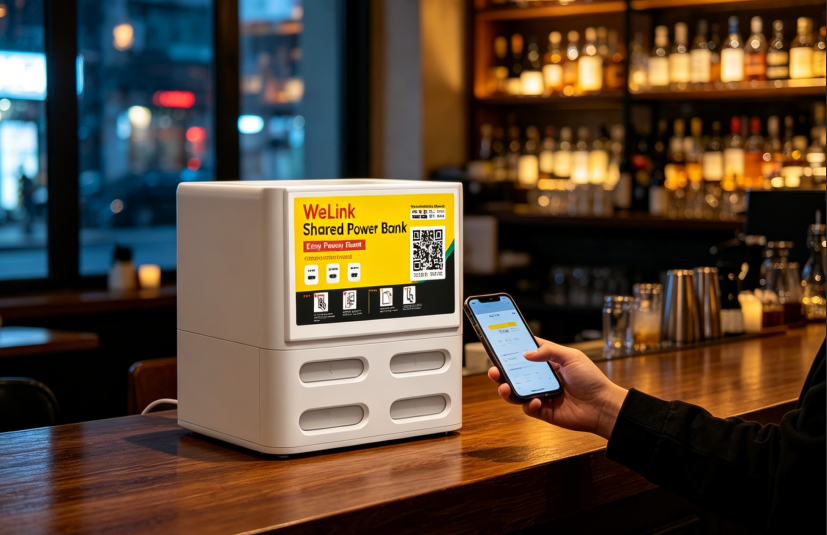
To ensure the success of a shared power bank venture, selecting optimal locations is critical. Busy areas with heavy foot traffic serve as prime spots, as they enable easy access for potential users. Consider placing stations in bars and nightclubs, where patrons often rely on their devices to stay connected while enjoying a night out. Additionally, tourist centers attract visitors who may need quick charging solutions to capture memories on their smartphones. Cafes and restaurants are suitable environments too, as people frequently sit for extended periods and might need to recharge their devices while socializing. Airports and universities also present lucrative opportunities; travelers and students alike depend on mobile devices throughout the day. Establishing partnerships with local businesses can further enhance visibility. Offering these establishments a commission-based deal for hosting power bank stations can incentivize collaboration while boosting customer convenience in high-traffic venues.
The Benefits of Shared Power Banks as a Small Business Opportunity
Shared power banks present numerous advantages for small business owners looking to capitalize on a growing trend. One significant benefit is the relatively low startup cost compared to traditional retail ventures. With minimal inventory and overhead, entrepreneurs can enter the market more easily. Additionally, shared power banks cater to an immediate consumer need—keeping mobile devices charged in locations where users face battery exhaustion, enhancing foot traffic in those areas. This convenience translates into consistent usage and revenue potential. Furthermore, partnerships with local businesses can enhance visibility, allowing owners to share promotional efforts and create mutually beneficial arrangements. By strategically placing devices in high-traffic locations like shopping centers or airports, small business owners can maximize exposure while responding directly to consumer demands for reliable mobile charging solutions.
Smart Investment Strategies for Launching a Shared Power Bank Initiative
To effectively launch a shared power bank initiative, business owners should consider several investment strategies. First, evaluating market demand through preliminary surveys can provide insight into customer preferences and willingness to pay for charging solutions. Next, starting with a pilot program in select high-traffic locations allows for testing the concept without significant upfront costs. It can also be beneficial to collaborate with local businesses, offering them a revenue share in exchange for hosting charging stations; this can lower installation expenses and increase visibility. Furthermore, choosing reliable suppliers for power bank hardware and software is crucial to minimize maintenance costs and ensure user-friendly experiences. Utilizing data analytics tools can optimize service locations based on rental patterns, ensuring resources are allocated efficiently for maximum profitability.
Maximizing Revenue through Effective Operational Strategies in Charging Solutions
To maximize revenue in the shared power bank business, implementing efficient operational strategies is crucial. Regular maintenance of the charging stations ensures optimal functionality and user satisfaction, which encourages repeat rentals. Additionally, strategic unit rebalancing—moving power banks to high-demand locations—can prevent shortages in peak times. Utilizing data analytics to track usage patterns allows for informed decisions on stock placement and promotional efforts. Customer support should be readily available to address inquiries, thus enhancing user experience. Marketing initiatives, such as special promotions or partnerships with local businesses, can further drive awareness and traffic to the stations. By focusing on these operational elements, small business owners can significantly boost their revenue while providing a valuable service to consumers.
Navigating the Shared Power Bank Market: Tips for Entrepreneurs
Entering the shared power bank market requires careful planning and strategic execution. First, entrepreneurs should consider partnering with reliable providers, such as those offering the ‘Welink shared power bank’ solution, known for its robust hardware and user-friendly interface. Analyze local competition to identify gaps in service offerings, and tailor your approach to fill those voids. Establishing a strong online presence is essential; promote your services through social media and local advertising to attract customers. Regularly monitor rental patterns to optimize station placements based on demand, ensuring that your power banks are accessible in high-traffic locations like airports and shopping districts. Additionally, maintaining a responsive customer support system can enhance user experience and foster customer loyalty, which is crucial for long-term success in this emerging market.
Conclusion
As the demand for mobile charging solutions continues to rise, shared power banks emerge as a viable business opportunity, especially for small business owners. By focusing on high-traffic areas and implementing smart investment strategies, entrepreneurs can effectively tap into this lucrative market. The operational strategies outlined, including data-driven decision-making and customer engagement, play a critical role in enhancing user experience and driving profitability. With proper planning and execution, shared power banks are set to become an integral part of the mobile ecosystem, providing convenience to consumers while offering a promising revenue stream for business owners willing to invest in this growing trend.
FAQs
What are shared power banks?
Shared power banks are portable charging solutions available for users in high-traffic areas, allowing them to rent a power bank to charge their mobile devices on the go.
How can small business owners benefit from shared power banks?
Small business owners can leverage the increasing demand for mobile charging solutions by installing shared power banks in strategic locations, generating revenue through rental fees.
Where should shared power banks be placed for maximum usage?
Optimal locations include shopping malls, airports, cafes, and event venues where foot traffic is high, ensuring easy access for consumers in need of charging solutions.
What pricing strategies work best for shared power bank rentals?
Flexible pricing models that cater to users’ needs, such as pay-per-use options or subscription plans, can attract a wider customer base and encourage repeat rentals.
How can local businesses collaborate with shared power bank operators?
Local businesses can host charging stations in exchange for a commission on rentals, enhancing visibility and convenience for their customers while generating additional income.