

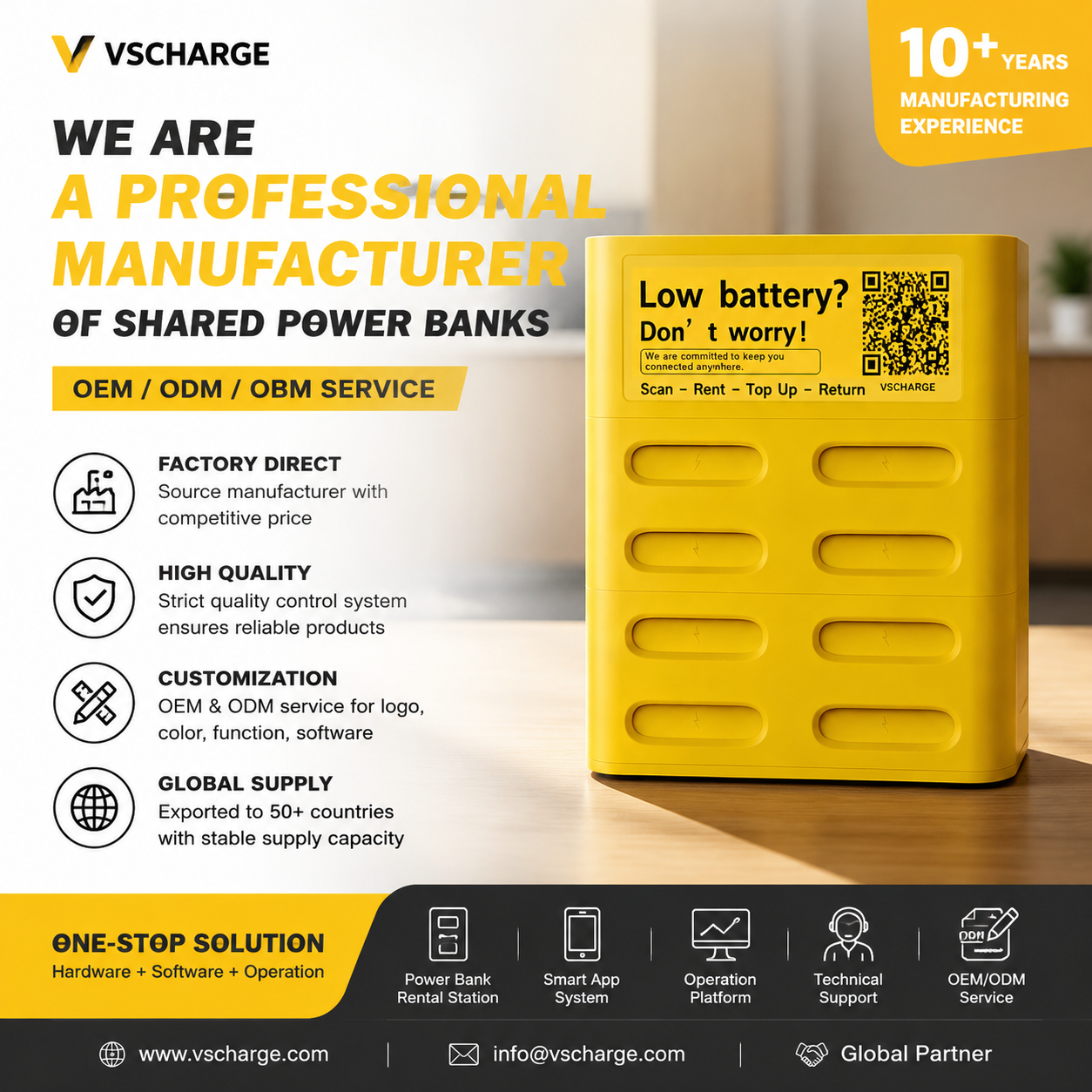
What certifications are required for sharing power banks to be exported to the United States? —-WithDetailed Explanation of the Customs Clearance Process
Exporting shared power banks to the United States involves a multifaceted approach considering required certifications, customs procedures, and regulatory compliance. Recognizing that UL and FCC certifications are prerequisites for safety and electromagnetic compatibility is vital. Familiarity with the customs clearance process is equally important; accurate documentation including commercial invoices and packing lists must be meticulously prepared to avoid delays. Compliance with both federal regulations and any specific state guidelines can’t be overlooked, as these may vary significantly. Timely communication with shipping partners ensures potential hurdles are addressed efficiently. An understanding of tariffs can influence overall export costs, making thorough market research main. Continuous awareness of changing regulations in international trade equips exporters to adapt strategies effectively, safeguarding their investments and enhancing market access.
Essential certifications for Exporting Power Banks
To export power banks to the United States, obtaining specific certifications is essential for compliance. The primary certifications include the UL certification, which verifies safety standards for electrical devices, and FCC compliance, which ensures that the power banks do not produce harmful electromagnetic interference. also, the International Electrotechnical Commission (IEC) provides certification for international safety standards that can facilitate entry into different markets.
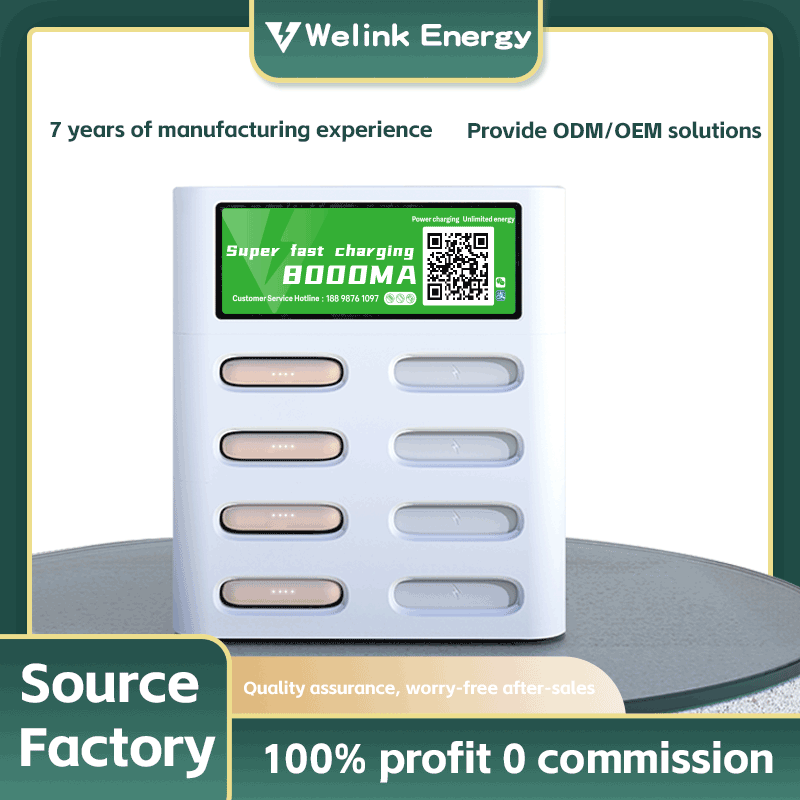
Manufacturers must also be aware of [shared power banks regulations]() that may apply depending on their design and functionality. Some states may have their additional requirements that must be reviewed before shipping. Keeping track of these certifications enables smoother customs clearance and a successful entry into the competitive U.S. market. It is advisable to consult with a customs broker who can help navigate these requirements effectively, ensuring all documentation is in order prior to export.
Understanding customs clearance for Power Banks
The customs clearance process for exporting shared power banks like the Welink shared power bank involves several essential steps. Firstly, ensure that all required certifications, such as CE, FCC, and UL, are obtained to comply with U.S. regulations. Each document must be accurate and compliant with the specified requirements from the U.S. Customs and Border Protection (CBP).
Submitting a complete customs declaration is critical; it should include details about the product’s value, origin, and intended use. Be aware of specific regulations governing electronic devices, as these can vary significantly depending on the destination. furthermore, consider tariffs and duties that may apply to your shipment.
“Thorough documentation can prevent delays at customs.”
Keep communication lines open with your freight forwarder who can navigate potential complexities in the customs process. Properly preparing your shipment can save time and money while ensuring compliance with international trade standards. Make sure to stay updated on changing regulations impacting shared power banks to mitigate risks during shipping.
Navigating power bank regulations
exporting shared power banks involves understanding various regulations that govern international trade. The first consideration is compliance with safety and quality standards set by the destination country. For the United States, power banks must meet regulations outlined by organizations like the Underwriters Laboratories (UL) and have certifications for battery safety. also, certifications must conform to Federal Communications Commission (FCC) guidelines to ensure electromagnetic compatibility.
Import tariffs and other trade regulations can also affect shipping costs, highlighting the need for thorough market research before export. Customs guidelines dictate that proper labeling, documentation, and adherence to packaging standards are essential to prevent delays at the border. Each state may have specific requirements that further complicate compliance, so staying informed is critical.
Moreover, shared power banks must comply with local environmental regulations concerning battery disposal and recycling to meet sustainability goals. This situation of regulations requires exporters to maintain vigilance and adaptability in their operations while ensuring full compliance throughout the export process.
Export requirements for Electronic Devices
Exporting shared power banks involves meeting specific requirements to ensure compliance with U.S. standards. Gather and verify product specifications, including battery capacity and safety certifications, to facilitate the application process. All electronic devices must pass testing to meet Federal Communications Commission (FCC) regulations, which address electromagnetic interference concerns. Moreover, manufacturers must secure Underwriters Laboratories (UL) certification indicating the product meets safety standards.
Proper labeling is essential as well; each unit should include clear information about the manufacturer, model number, and compliance marks for easier identification during inspections. Custom declarations must accurately describe the products, their quantity, and value for tariff calculations. Familiarity with International Organization for Standardization (ISO) guidelines can streamline adherence to quality management processes.
Documentation like invoices and packing lists should be meticulously prepared as they play a vital role in customs clearance. Be ready to provide any additional documentation federal agencies may require upon arrival in the U.S., ensuring a hassle-free entry into the market.
International trade compliance explained
exporting shared power banks, like those produced by Welink shared power bank factory, involves adhering to a maze of trade regulations that can differ significantly from one country to another. Compliance is not just a box to check; it affects the entire shipping process. Exporters must ensure that their products meet the technical standards set by U.S. regulations and other international protocols governing electronic devices. This includes certifications from recognized bodies, which validate safety and environmental safety compliance. Each certification serves a purpose—some focus on electrical safety, while others address electromagnetic compatibility.
As part of compliance, it’s essential to prepare proper documentation for customs clearance, which includes invoices, packing lists, and certificates of origin. These documents provide customs authorities with the information they need to assess duties and ensure that shipments are compliant with federal regulations. Failure to meet these compliance requirements could lead to delays or penalties, impacting the timely delivery of power bank orders. Understanding these elements is vital for anyone looking to navigate international trade successfully.
main Steps in Power Bank Exporting
Exporting power banks involves several critical steps to ensure compliance and efficiency. First, obtain the necessary certifications, such as FCC and CE markings, to validate the safety and reliability of the devices. Next, familiarize yourself with the customs clearance process, which includes proper documentation like commercial invoices and packing lists. Thoroughly understanding shared power bank regulations in your target market is essential to avoid penalties. Prepare for international trade compliance by ensuring your products meet import laws in the United States. This may involve conducting product testing and ensuring all labeling requirements are met. Finally, coordinate logistics with reliable shipping partners who understand customs regulations for electronics, offering a smooth transit experience for your goods. Each step requires careful attention to avoid delays in shipping and ensure successful market entry.
Shared power banks and Customs Guidelines
Exporting shared power banks requires adherence to specific customs guidelines to facilitate smooth entry into the United States. First, ensure compliance with the Federal Communications Commission (FCC) regulations, which mandate that electronic devices meet certain technical standards. Second, knowledge of the Harmonized System (HS) codes applicable to power banks is essential for proper customs classification and tariff assessment. furthermore, manufacturers must obtain the necessary certifications, such as UL or CE marks, affirming product safety and performance compliance.
Furthermore, it is critical to prepare accurate documentation including the Commercial Invoice, Packing List, and Bill of Lading. These documents help demonstrate adherence to import regulations and provide customs officials with essential information regarding shipment contents. Being aware of any specific state regulations that may apply to electronics can also prevent delays. Maintaining clear communication with shipping agencies can aid in navigating any unexpected issues during the customs clearance process.
Preparing for International Power Bank Shipping
When preparing shared power banks for international shipping, it’s vital to ensure all devices comply with U.S. regulations. First, verify that your products are labeled correctly and include necessary documentation such as the manufacturer’s declaration, safety certification, and proof of compliance with standards. Understanding packaging requirements is also fundamental; power banks must be securely packaged to withstand transit stresses while adhering to specific guidelines about battery transport. Choosing a reliable shipping partner familiar with customs regulations can facilitate smoother delivery and minimize delays. also, prepare all relevant customs paperwork to avoid potential issues at the border. This paperwork typically includes commercial invoices and packing lists which detail item descriptions, values, and the country of origin. Each document plays a important role in expediting customs clearance and ensuring compliance with U.S. import laws, ultimately protecting your investment while maintaining customer satisfaction levels during the shipping process.
Conclusion
successfully exporting shared power banks to the United States hinges on thorough preparation and compliance with various regulations. Understanding the required certifications and navigating the customs clearance process are vital. Exporters should be diligent in gathering necessary documentation and keeping updated on both federal and state-specific regulations that could impact their shipments. Working with experienced customs brokers can ease complexities, ensuring that all compliance measures are met efficiently. also, staying informed about changes in international trade laws will help mitigate potential risks. The dynamics of the export situation require adaptability; thus, continuous monitoring of guidelines will empower exporters to make proactive decisions, ultimately enhancing their prospects in a competitive market.
FAQs
What certifications do I need to export power banks to the USA?
Necessary certifications include UL certification for safety and FCC compliance for electromagnetic interference.
How long does the customs clearance process take for power banks?
The customs clearance timeline can vary, but typically it takes between a few days to a couple of weeks.
Are there any specific regulations for shared power banks?
Yes, shared power banks must comply with both federal and state regulations regarding safety and functionality.
What documents are required for customs declarations?
Required documents typically include a commercial invoice, packing list, and certificates of origin.
What impact do tariffs have on exporting power banks?
Tariffs can increase shipping costs, so it’s essential to research applicable duties before exporting.
Do I need a customs broker to assist with the process?
While not mandatory, having a customs broker can simplify compliance and help navigate complex regulations.
How can I ensure my packaging meets export requirements?
Packaging should be sturdy and meet guidelines for transporting batteries securely. Always verify with shipping standards.
What are the consequences of not complying with export regulations?
Non-compliance can lead to delays, fines, or even seizure of goods at customs.
Are there environmental regulations concerning power bank disposal?
Yes, exporters must comply with local recycling and disposal directives to meet sustainability goals.