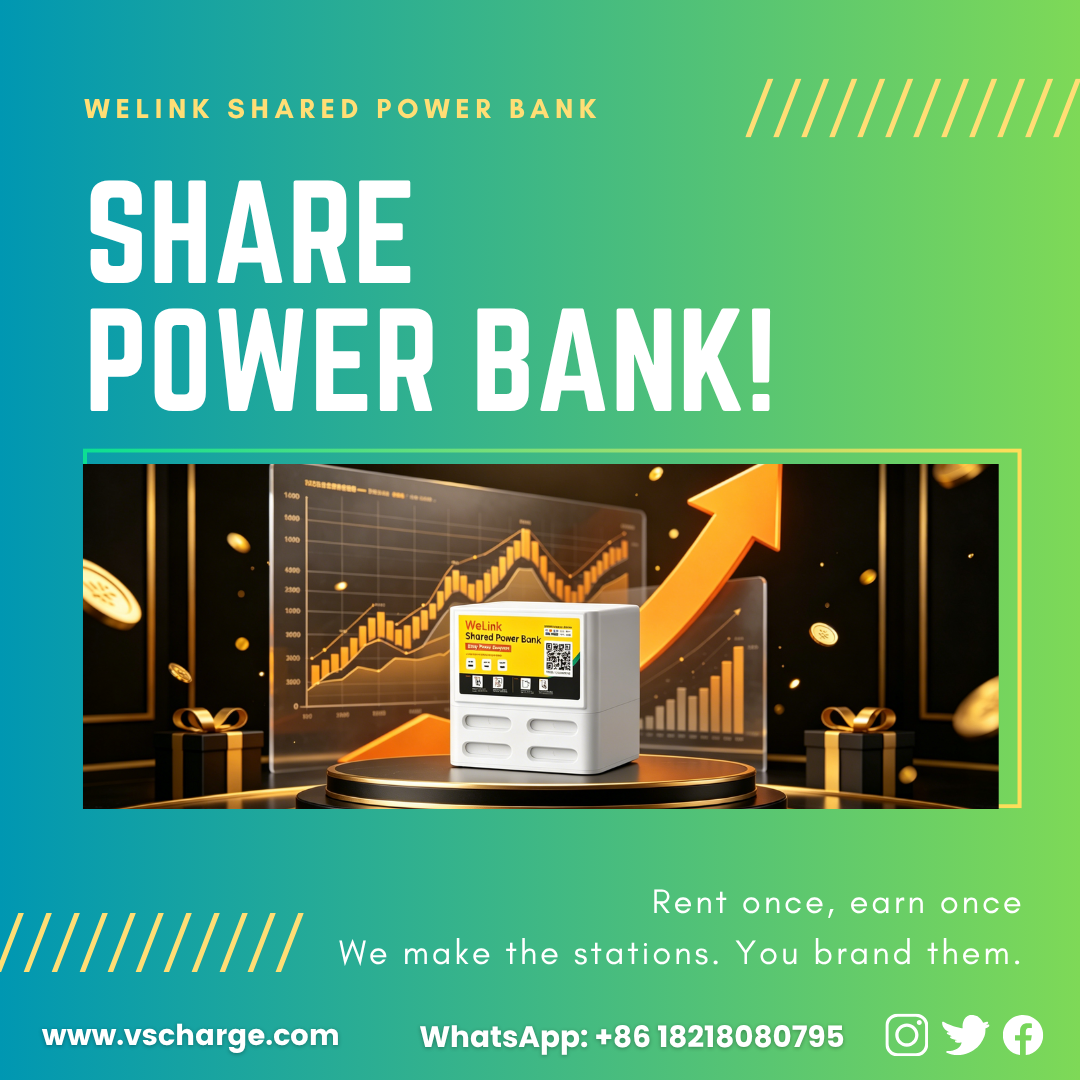
Shared Power Banks in 2026: Trends, Profitability, and How to Start with Minimal Capital
In 2026, the shared power bank market presents unique opportunities for both new and existing entrepreneurs. Capitalizing on ongoing consumer demand for convenient charging solutions in high-traffic areas is vital. Understanding local market dynamics can lead to strategic partnerships and optimal location choices, enhancing visibility and accessibility. Focusing on reliable products and effective business models will help mitigate risks associated with initial investments. Moreover, leveraging technology for user-friendly rental systems can enhance customer engagement, ensuring a steady flow of transactions. This year marks a significant moment for those looking to enter this lucrative sector, positioning themselves effectively amid evolving market trends.
As we progress through 2026, shared power banks are becoming increasingly popular across various regions. These portable charging solutions are not just a trend; they are revolutionizing the way we think about mobile device accessibility. With more than 70% of smartphone users expressing a willingness to pay for charging services in public settings like airports and shopping malls, the market demand is significant. In addition, advancements in technology are enhancing the reliability and efficiency of charging stations. Manufacturers such as [Welink shared power bank factory]() play a crucial role by providing high-quality, certified devices that meet consumer needs. This expanding market opens opportunities for entrepreneurs looking to capitalize on minimal investment while positioning themselves strategically in high-traffic areas. As trends evolve, understanding consumer behavior and preferences will be essential for success in this sector.
The profitability potential for shared power banks in 2026 is significant, driven by the continuing reliance on mobile devices. With over 70% of smartphone users expressing willingness to pay for charging services in public spaces, this market shows strong responsiveness to customer needs. Additionally, low operational costs allow entrepreneurs to enter this field with minimal upfront investment while scaling their business efficiently. Revenue models vary from self-operated kiosks that maximize control and profit, to franchise agreements that mitigate risks. Providing convenient charging solutions in high-traffic areas not only attracts customers but also leverages partnerships with local businesses for increased visibility and commissions. Thus, the shared power bank market presents an appealing opportunity for those looking to tap into a lucrative and growing sector.
Starting a shared power bank service involves several key steps to ensure success. Begin by researching the local market to understand customer preferences and the demand for charging solutions. Opt for reliable products like the Welink shared power bank, known for their quality and efficiency. It’s crucial to create a solid business plan that encompasses operational logistics, marketing strategies, and a budget plan.
Next, secure strategic locations such as malls, airports, and cafes where foot traffic is high. Engage with location owners to negotiate terms that benefit both parties. Implement a user-friendly rental system using a mobile app, allowing customers easy access to charging services via QR codes. By focusing on execution and adapting to market feedback, operators can effectively launch their service while minimizing risks associated with new business ventures.
To launch a shared power bank business effectively, begin by researching the local market. Understanding consumer demand is crucial, as it informs your service offerings. Next, establish a partnership with a reliable manufacturer. The Welink shared power bank factory is known for providing CE/FCC-certified devices that are essential for ensuring quality and safety standards. After securing your hardware, choose a suitable location for your charging stations, focusing on high-traffic areas that attract potential customers, such as shopping malls or airports.
Simultaneously, develop a user-friendly mobile app that facilitates easy access for users to rent power banks via QR codes. This technological integration not only enhances customer experience but also supports operational efficiency. As you finalize logistics, consider marketing strategies to promote your service—social media can be an effective platform to reach your target audience. Finally, maintain an agile operational plan that allows for quick adjustments based on market feedback and performance metrics, ensuring long-term success in this growing sector.
Choosing the right locations for your shared power bank stations is crucial for maximizing visibility and usage. Begin by targeting areas with high foot traffic, such as shopping malls, airports, and tourist attractions, where people frequently need to charge their devices. Cafes and restaurants also serve as excellent venues, as patrons often spend time waiting or socializing. Universities can be another prime spot, with students relying heavily on mobile devices throughout their busy days. Establishing partnerships with these venues can further enhance accessibility. Providing a commission to location owners can incentivize them to host your stations, ensuring mutual benefit while increasing your service’s reach.
Launching a shared power bank service can be financially accessible with the right strategies. One effective approach is to collaborate with established locations, such as cafes and shopping malls, which already attract significant foot traffic. This minimizes your upfront investment while gaining instant visibility.
Additionally, consider the Welink shared power bank model that allows you to leverage technology for operational efficiency. Emphasizing cloud-based solutions for rental management streamlines your operations and reduces costs.
“Focus on partnerships that enhance visibility without heavy expenses.”
Investing in CE/FCC-certified devices ensures reliability and can prevent potential losses from hardware issues. Keep operational costs low by starting small and scaling as demand rises, allowing you to maximize revenue while managing financial risk effectively.
As the shared power bank market evolves, entrepreneurs are exploring various innovative business models to enhance profitability and customer reach. One approach is the Self-Operated Model, where owners have direct control over pricing and service management. This model allows for personalized customer engagement and brand development. Alternatively, the Franchise Model presents a lower-risk option, enabling new business owners to leverage established brand recognition and operational support from a master provider. Additionally, partnerships with local businesses can create revenue-sharing opportunities that benefit both parties. By strategically integrating technology, such as mobile apps that facilitate QR code rentals, businesses can improve user experience and increase accessibility. These models not only diversify income streams but also attract varied consumer demographics, driving growth in this competitive landscape.
The surge in mobile device usage and the corresponding need for convenient charging solutions make 2026 a pivotal year for entering the shared power bank market. With over 70% of smartphone users expressing willingness to pay for charging services in public spaces, this demand presents a lucrative investment opportunity. Moreover, the landscape is evolving, with shared power banks gaining traction in regions like Europe and North America. The low initial investment required to start is also attractive, combined with scalable revenue potential in high-footfall areas. Entrepreneurs can leverage emerging technology and consumer habits to harness this trend. By positioning your service strategically and capitalizing on existing market needs, now is an ideal time to invest in shared power bank solutions.
In summary, the shared power bank industry in 2026 is positioned for significant growth. With a rising market demand and increasing smartphone dependency, entrepreneurs have a ripe opportunity to enter this relatively low-investment sector. Capitalizing on trends and consumer preferences, operators can implement effective business strategies to ensure profitability. By focusing on strategic partnerships and suitable locations, they can maximize visibility while maintaining minimal costs. Ultimately, understanding the evolving landscape of shared power banks will be key to leveraging their full potential in the current market.
What are shared power banks?
Shared power banks are portable charging devices available for public rental, often located in high-traffic areas like malls and airports.
How do I start a shared power bank service?
Begin by researching your local market, establishing partnerships with reliable manufacturers, and selecting strategic locations with high foot traffic.
What is the profitability potential of this business?
With a significant portion of smartphone users willing to pay for charging services, and low operational costs, the potential for profitability is strong.
How much investment is needed to launch the service?
The required investment is minimal, particularly if you collaborate with existing businesses that can provide visibility without heavy expenses.
Where should I place my charging stations?
Focus on locations that attract many visitors, such as shopping malls, airports, cafes, and universities to maximize exposure and usage.