

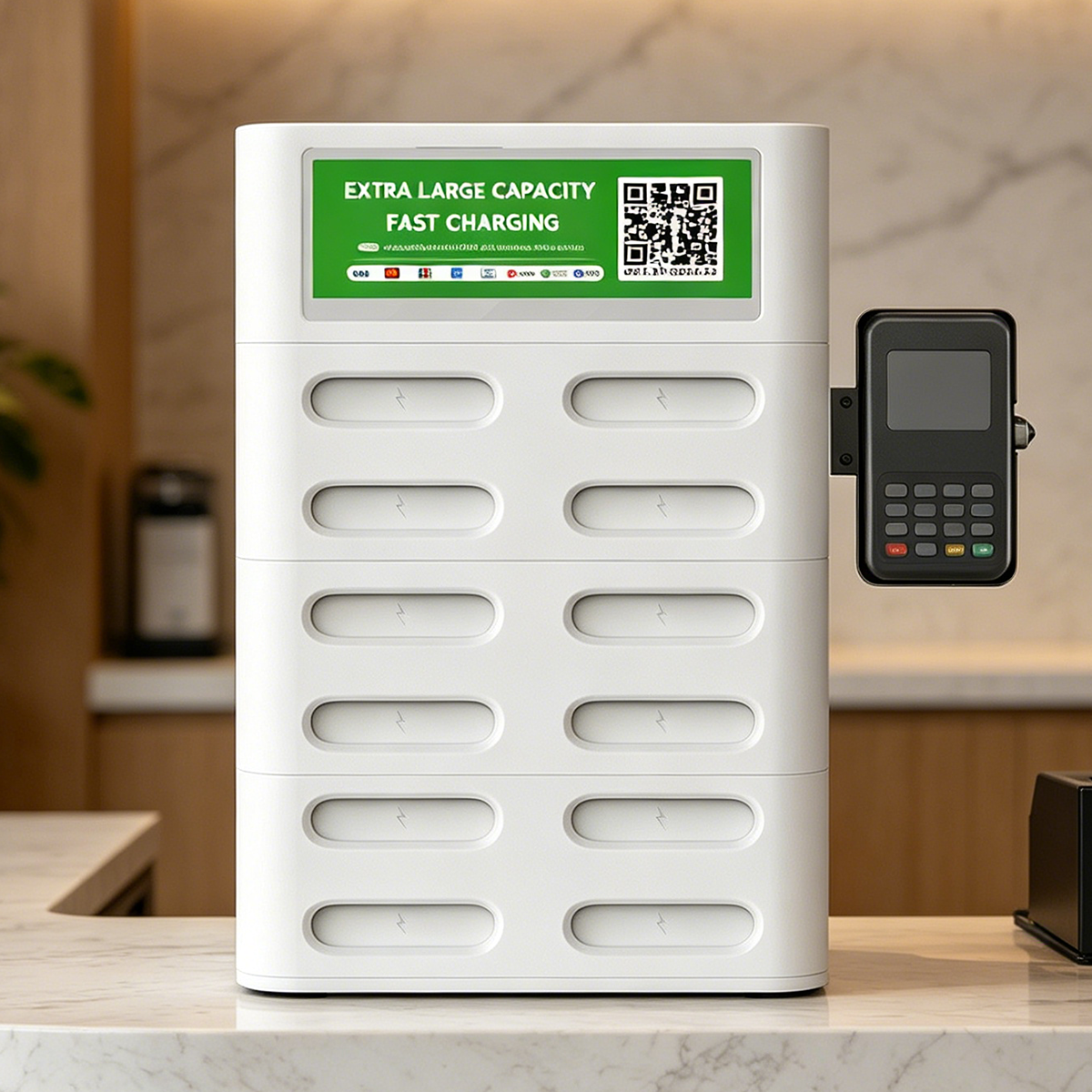
How to Start a Successful Power Bank Rental Station
Launching a power bank rental station starts with understanding customer needs and offering tailored options. Stock a range of power banks — from compact models for casual users to high‑capacity units for heavy users. A flexible inventory helps meet different demands and keeps customers satisfied.
A user‑friendly rental process reduces wait times and creates a smooth experience. Update your inventory regularly to reflect current market offerings, so people always have access to reliable devices. Build a responsive support system to earn trust and encourage repeat visits. Use customer feedback to refine your services over time, helping your station stay competitive in a changing market.
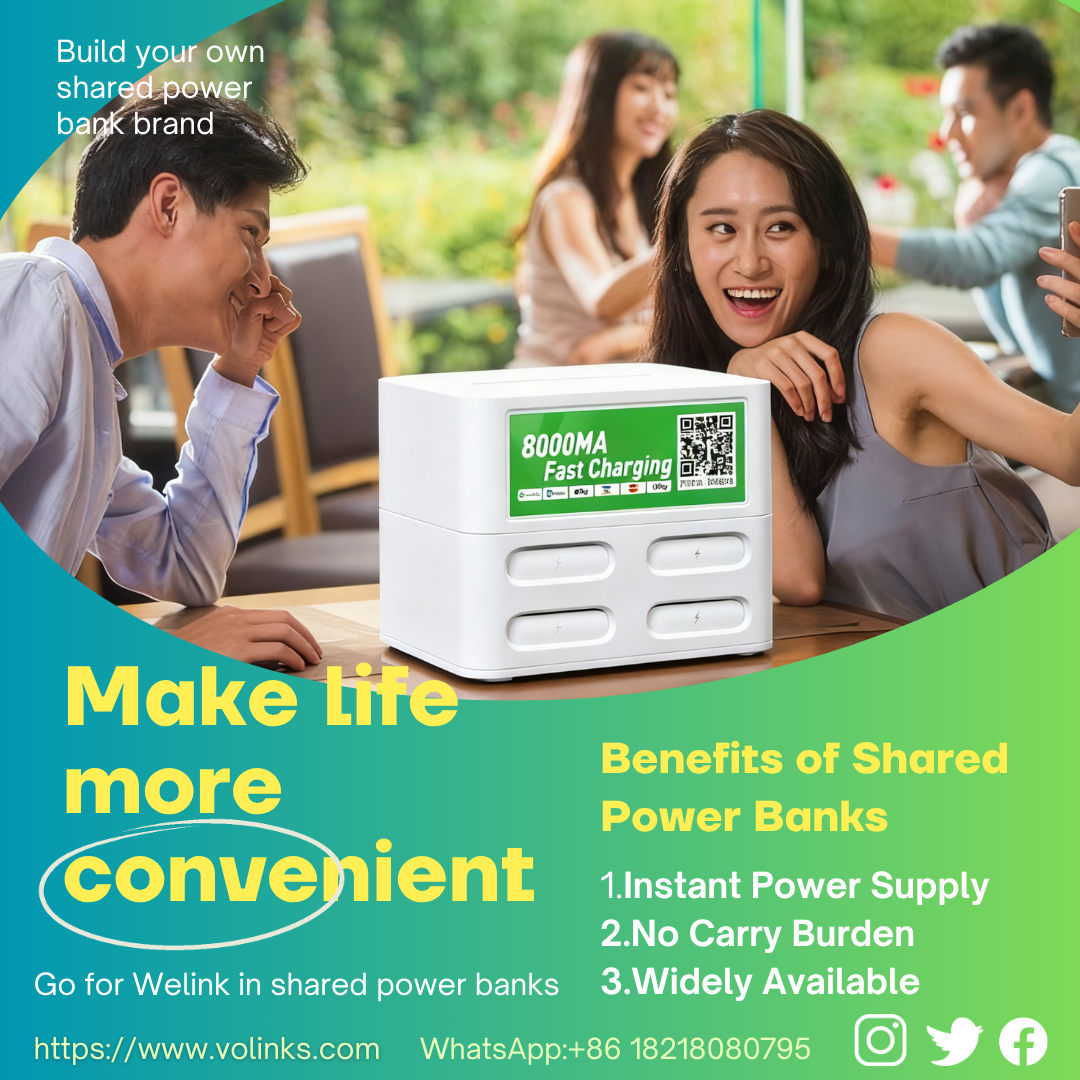
Portable power bank options
Portable Power Bank Options
When setting up a charging hub, your choice of portable power banks directly impacts rental success. Options vary by capacity, size, and features. A 10,000mAh model fits most people — enough power for daily needs while staying compact. For greater capacity, 20,000mAh or higher models can support multiple devices or even laptops.
Port type matters, too: USB‑C PD ports enable fast charging and compatibility with current devices. Keeping a few USB‑A ports covers older gear. Offer a variety of models to match different user preferences.
Know your audience and pick models accordingly; flexibility helps.
By understanding and meeting diverse charging requirements, your station can become the go-to option for portable energy.
Maximizing rental satisfaction
To maximize satisfaction for customers using the rental station, offer devices tailored to diverse needs. Stock a mix of power banks with different capacities, such as compact models for quick smartphone charges and larger units for tablets and laptops. Implement a straightforward rental process that minimizes wait times using user-friendly interfaces, whether through mobile apps or in-station kiosks.
Also, take feedback seriously; it can guide your choices and service improvements. Have a support system in place to assist users with any challenges during their rental experience. Regularly update your inventory to include reliable options currently available on the market, ensuring customers always have access to trustworthy devices. Competitive pricing paired with quality will attract customers and encourage repeat use.
Creating an engaging customer experience will contribute significantly to operational success.
Choosing the Right Charger – Why Supplier Quality Matters
Picking the right charger is essential for your shared charging service. Always partner with reliable manufacturers — for example, Welink New Energy, a trusted source factory known for quality, durability, and full‑cycle ODM/OEM services.
Look for power banks that support multiple charging ports, including USB‑C PD and traditional USB‑A, to accommodate various devices. Speed matters: choose power banks with Power Delivery (fast charging) for smartphones and laptops. Capacity plays a major role in attracting customers — offer a range from 10,000mAh to 20,000mAh (or higher) models to cater to different needs.
A well‑rounded selection increases your rental appeal, serving both casual users and those needing extended charges. By focusing on these aspects, you boost customer satisfaction and foster loyalty.
Essential factors for Success
Running a successful power bank station depends on several key factors:
Location – Place stations in high‑traffic areas: malls, airports, college campuses, transit hubs.
Audience understanding – Tailor your offerings to local needs, from mini models for quick charges to high‑capacity units for demanding devices.
Reliable supplier – Partner with a dependable source factory like Welink New Energy, which offers quality products, responsive support, fast sampling (3 days), and low MOQ (zero minimum order quantity).
Marketing – Raise awareness about your service availability through local campaigns and signage.
Convenience – Offer easy payment methods and an efficient rental process.
Stay updated – Keep up with industry trends, technology advances, and customer preferences.
Build a community – Foster loyalty and repeat business through engagement and consistent service.
These factors ensure long‑term profitability in a competitive scene.
Establishing your power station
1. Choose the Right Location
Select a suitable spot in busy areas like shopping malls, airports, and universities — anywhere with high foot traffic.
2. Design a User‑Friendly Layout
Ensure easy access to charging ports and clear instructions for renters. Use user‑friendly kiosks that let customers browse available power banks and check battery capacity options in real time.
3. Choose the Right Equipment
Partner with experienced suppliers who provide diverse, high‑quality devices. Welink New Energy, for example, offers fast‑charging models, low standby power consumption, and global certifications (CE, FCC, UL, UN38.3). Fast charging speeds significantly boost user satisfaction.
4. Set Up Customer Support
Establish effective communication channels to resolve issues promptly. This builds trust and reliability, encouraging repeat business.
Keep these factors in mind to create a seamless experience for users looking for convenient energy solutions.
Power bank variety for Renters
A varied lineup of chargers attracts more customers and increases rental activity:
Offer standard models for casual users and higher‑capacity units for those needing multiple charges.
Keep compact models on hand — they are easy to carry and perfect for travel.
Include chargers with multiple output ports (USB‑C and USB‑A) to cover different devices.
A mix of fast‑charging models appeals to efficiency‑focused users.
Dependable charging matters — people rely on power banks when they need a quick boost.
Provide clear specifications for each model to help renters make informed choices.
This range meets diverse needs and positions your station as a go‑to option in a competitive market.
Optimizing charging solutions
To improve the experience at your charging hub, focus on efficiency and convenience:
Prioritize models that support fast charging (Power Delivery). This speeds up charging for a range of devices, making them appealing to people in a hurry.
Offer a diverse set of options: compact packs for casual users and higher‑capacity models for charging multiple devices at once.
Implement user‑friendly interfaces for the rental flow. Clear details on each device’s charging capabilities reduce confusion and improve satisfaction.
Add features like battery life indicators or simple connectors to further enhance the experience.
Keep power packs well‑maintained and updated with the latest technology to encourage returns.
Excellent charging solutions not only improve user satisfaction but also drive repeat business and positive word‑of‑mouth referrals.
Starting a Rental Business Guide
Starting a rental business in this space involves a few practical steps. Begin with market research to understand customer needs and local competition. Use that to guide pricing, services, and product selection. Then pick a strategic location for the rental station to attract foot traffic in busy areas like malls or transit hubs.
Partner with reliable suppliers to ensure access to high-quality devices. A diverse lineup, from small models to larger ones, can meet varied preferences. Consider setting rental rates that cover costs while remaining attractive.
Develop an inventory management system to track stock and monitor rental trends. Clear signage and easy payment options improve the user experience. Finally, listen to customer feedback for ongoing improvement and adjust offerings as market demands change.
Conclusion
A power bank rental station succeeds when it understands customers and offers tailored options. Build a diverse lineup — both compact and larger‑capacity devices — that suits casual users and power users alike. Use feedback to refine offerings and improve satisfaction. A smooth rental process, combined with partnerships with reliable suppliers like Welink New Energy, lays a solid foundation.
Stay aware of market shifts to keep your service relevant and competitive. A dependable support system sets your station apart and builds trust with users. By prioritizing convenience, speed, and service, you can thrive in a dynamic environment.
FAQs
What is a charging station?
A charging hub is a rental service that provides portable chargers for charging devices on the go.
How do I rent a charger?
Renting usually means selecting a device, following the instructions, and paying via a mobile app or kiosk.
What kinds of chargers are available?
Charger options typically range from compact models for quick tops-ups to larger ones for multiple devices.
What does it cost to rent?
Prices vary with capacity and duration; competitive rates attract more customers.
Can I return a charger to any station?
Many services let you return at any location within the network, but check the terms first.