

From One Unit to a Fleet: How Shared Power Banks Lower the Barrier to Entrepreneurship
The shared power bank business presents a clear pathway for aspiring entrepreneurs, driven by the growing consumer demand for easy charging solutions. Starting with minimal investment allows for agility in scaling operations as businesses can expand their services based on real-time feedback and market dynamics. Partnerships with local establishments can augment visibility and enhance user engagement, laying a foundation for steady revenue streams. Moreover, the model’s adaptability signifies its potential for responding to shifts in market needs, ensuring long-lasting sustainability. Entrepreneurs who prioritize user experience and technology integration are well-positioned to thrive in this evolving landscape.
Shared Power Banks: A Pathway to Entrepreneu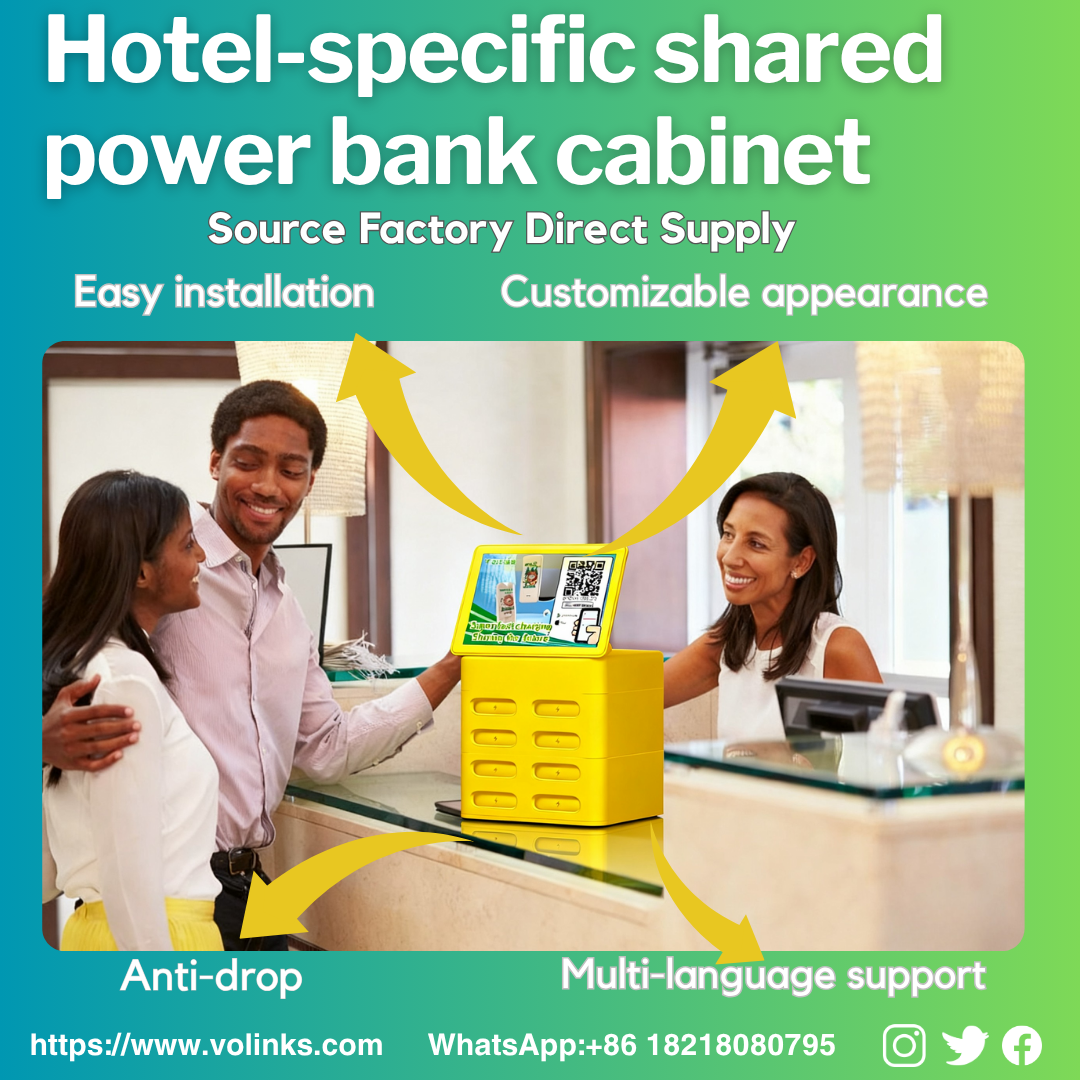 rship
rship
Shared power banks present a unique avenue for aspiring entrepreneurs looking to enter the market with relatively low initial investments. They cater to a growing need for convenient charging solutions in various public venues, positioning themselves as essential services. Through partnerships with local businesses like cafes and shopping malls, entrepreneurs can enhance visibility and drive usage. Starting small with just a few units allows for gradual scaling based on demand and user feedback.
“Focus on user experience. The more accessible your service, the more likely customers will return.”
By using data analytics from rental activity, business owners can adapt their offerings to better meet customer needs while optimizing operational efficiency. This adaptability is crucial in maintaining a competitive edge in the fluctuating landscape of mobile charging solutions.
The shared power bank model not only lowers barriers to entry but also provides extensive opportunities for growth through strategic operations and adaptive marketing efforts.
Starting Your Business with Shared Power Banks: Low Costs, High Potential
Entering the shared power bank market presents a compelling opportunity for aspiring entrepreneurs. With relatively low startup costs, this venture requires minimal investment compared to traditional retail businesses. Power banks can be sourced affordably, and the technology needed for rentals is increasingly accessible. Many suppliers offer competitive pricing and flexible leasing options. Additionally, overhead costs remain low as maintenance and operational tasks can often be automated or managed remotely. Entrepreneurs can capitalize on a growing trend, as demand for convenient charging solutions soars. The ease of setting up in high-traffic locations further enhances profitability, enabling entrepreneurs to quickly expand their fleet as user engagement rises. This straightforward model allows for agility in scaling operations while meeting consumer needs effectively.
The Future of Convenient Charging Solutions and Their Business Impact
The rise of shared power banks is reshaping the landscape of convenient charging solutions. As more individuals rely on their mobile devices daily, the need for accessible power sources continues to grow. This trend fosters an environment where entrepreneurs can thrive. Shared power banks provide a solution that not only meets consumer demand but also presents a viable business opportunity with minimal initial investment. By strategically placing these charging stations in high-traffic areas, businesses can increase foot traffic and enhance customer satisfaction. Moreover, the adaptability of this model allows for scalability, enabling entrepreneurs to expand their operations as demand increases. As cities become more interconnected, innovative charging solutions will play a crucial role in facilitating convenience and connectivity for all users.
Exploring Scalable Business Models in Shared Power Bank Ventures
The shared power bank industry offers various scalable business models that suit different entrepreneur needs. One popular option is the self-operated model, where business owners can purchase equipment directly from manufacturers like the Welink shared power bank factory. This model provides full control over hardware and revenue, allowing for tailored strategies based on location and customer demand. Alternatively, the franchise or partner model offers a pathway for those looking to minimize upfront costs and risks. By partnering with established providers, aspiring entrepreneurs can leverage existing brand recognition and resources while sharing profits. Additionally, incorporating advanced technology in operations, such as cloud-based systems for tracking usage and payments through mobile apps, facilitates smoother management and scalability. This versatility makes entering the market less daunting while capitalizing on the growing need for convenient charging solutions in various public spaces.
Entrepreneurship Opportunities in the Shared Power Bank Market
The shared power bank market presents numerous entrepreneurship opportunities tailored for those looking to tap into a growing demand for convenient charging solutions. With the increasing prevalence of smartphones, more consumers find themselves needing quick access to charging solutions in public spaces. This demand creates a ripe environment for startups to thrive. Entrepreneurs can choose between various business models that suit their operational preferences and risk tolerance. For instance, self-operated models allow for complete control and revenue capture, while franchise or partner systems help mitigate initial investment risks. Engaging with suppliers that provide robust hardware and cloud-based systems can further simplify management. As businesses grow, leveraging strategic placements in high-traffic locations can maximize visibility and usage, ensuring a steady stream of income for newcomers in this expanding industry.
Navigating Startup Costs for a Successful Shared Power Bank Business
Starting a shared power bank venture is often more affordable than many other business models. Initial costs primarily include purchasing power banks and setting up charging stations. By opting for a self-operated model, entrepreneurs retain full control over these assets, contributing to higher profit margins. However, those who prefer to mitigate risk can consider the franchise model, where startup fees are typically lower due to shared resources and established brand support. Additionally, partnerships with local businesses can provide venues for power bank placement without hefty rental costs. Effective budgeting is crucial; focusing on essential expenses like hardware and software will enable entrepreneurs to offer reliable service while minimizing initial investments. Careful planning in this phase sets the stage for sustainable growth as the demand for convenient charging solutions expands.
Leveraging Shared Power Banks to Meet Rising Charging Demand
As mobile devices increasingly play a central role in daily activities, the demand for efficient charging solutions continues to grow. Shared power banks address this demand by providing users with convenient access to charging options in high-traffic areas. With over 70% of smartphone users expressing interest in utilizing shared charging services, entrepreneurs can tap into a substantial customer base. By strategically placing these power banks in venues such as shopping malls, airports, and cafes, businesses can effectively attract users who require a quick power source on the go. Furthermore, integrating technology through mobile apps for easy rentals enhances user experience while enabling real-time tracking of rentals and revenues. This multi-faceted approach not only serves to meet consumer needs but also positions shared power bank ventures as a responsive solution in an evolving market.
Building a Sustainable Brand in the Shared Power Bank Industry
Establishing a strong brand in the shared power bank sector is essential for long-term success. A key to achieving this lies in delivering consistent and reliable service. For instance, adopting the ‘Welink shared power bank’ can enhance customer experience through its user-friendly app and real-time availability tracking. This level of accessibility not only fosters customer loyalty but also encourages repeat usage, essential for sustaining revenue. Effective local partnerships, such as collaborating with cafes or tourist attractions, can further amplify brand visibility. Additionally, maintaining equipment and ensuring power banks are consistently charged and operational reassures customers of reliability. Marketing initiatives highlighting the convenience and eco-friendliness of shared power banks help differentiate your brand in a growing market. By focusing on quality service and strategic positioning, entrepreneurs can build a sustainable identity that resonates with users’ needs and preferences.
Conclusion
Shared power banks have emerged as a practical solution to meet the growing demand for convenient charging options, paving the way for aspiring entrepreneurs. By lowering the barrier to entry, they offer a unique opportunity to start a business with minimal investment. As more consumers seek quick, accessible charging solutions in various public settings, this market continues to expand. Entrepreneurs can benefit from diverse business models that cater to different operational preferences while keeping costs manageable. The adaptability of shared power bank ventures ensures they can respond effectively to changing consumer behaviors and preferences. With strategic placements and reliable service, businesses in this sector can thrive and contribute significantly to enhancing user experience in daily life.
FAQs
What are shared power banks?
Shared power banks are portable charging devices available for rent at various public locations, allowing users to charge their mobile devices on the go.
How do I start a shared power bank business?
Starting a shared power bank business involves sourcing equipment, selecting strategic locations for placement, and setting up a reliable payment system.
What are the startup costs associated with this type of business?
Startup costs primarily include purchasing power banks and potentially partnering with local businesses that can provide space for charging stations, making it relatively affordable.
Can I expand my shared power bank service easily?
Yes, the model is highly scalable; entrepreneurs can start small and gradually increase their fleet based on user demand and feedback.
How can I ensure consistent service quality?
To maintain consistent service quality, it’s important to regularly check and maintain equipment while ensuring that rental processes are user-friendly through an app or kiosk system.
What demographic benefits from shared power banks?
Shared power banks primarily benefit urban dwellers, travelers, and anyone who frequently uses mobile devices away from home or traditional charging points.