

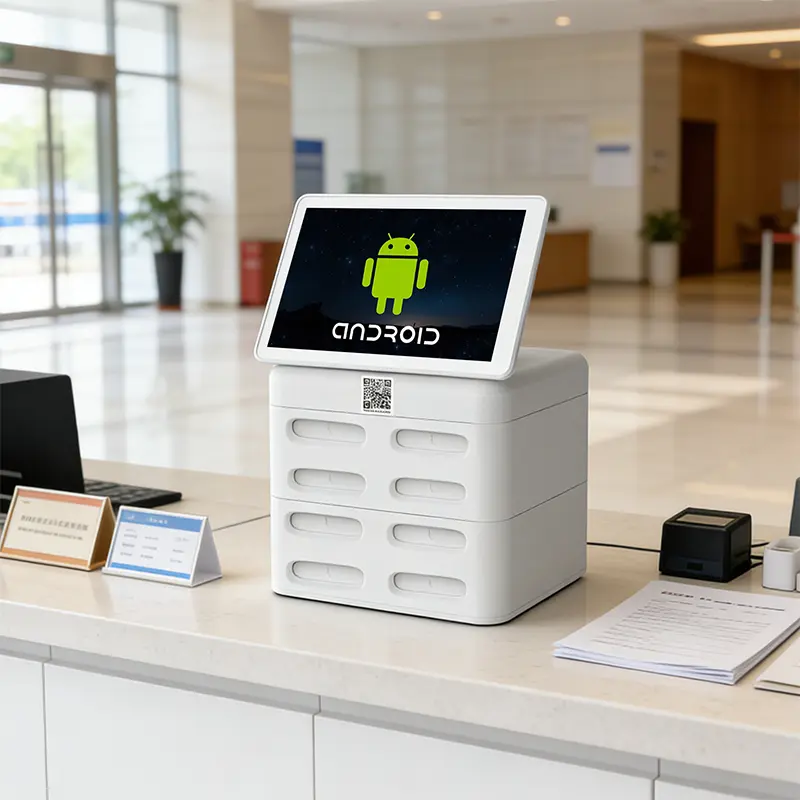
What is the Impact of Power Bank Sharing on Urban Mobility?
Understanding the Growth of Power Bank Rental Services
As we delve into the rapid expansion of power bank sharing services, it’s crucial to recognize the key factors driving this trend in urban areas. The increasing reliance on smartphones, along with the ever-growing use of mobile applications, creates a continuous demand for battery charging solutions. Our fast-paced urban lifestyle leaves little room for downtime, making access to charging stations more critical than ever. Furthermore, we observe that younger generations, who tend to prioritize convenience and flexibility, are more inclined to embrace these rental services.
Consumer preferences also play a significant role in shaping the rental landscape. Many of us prefer paying for on-demand services rather than investing in purchasing a power bank that may sit unused. This shift towards sharing, fueled by environmental awareness and a communal mindset, encourages us to seek out convenient alternatives. Moreover, flexible pricing models and user-friendly rental processes have contributed to our growing interest in this sector.
In this competitive landscape, numerous companies are jockeying for position within the power bank sharing market. We notice that some firms distinguish themselves through unique offerings or enhanced customer experiences. Collaboration with local businesses and integration with public transport systems are examples of strategies that enhance accessibility and visibility for users. As we explore this dynamic market together, it becomes evident that power bank rentals not only cater to our immediate needs but also align with broader trends towards efficiency and sustainability in urban mobility.
The Environmental Benefits of Renting Power Banks
As urban dwellers, we are acutely aware of the environmental challenges our cities face,
particularly with electronic waste and resource consumption. The power bank sharing market presents a compelling solution to these issues by promoting a more sustainable consumption model. When we choose to rent a power bank instead of purchasing one, we reduce the number of devices produced and discarded, decreasing electronic waste significantly. Each rented power bank can serve multiple users over its lifespan, which helps extend its usability and minimize the demand for new production.
Additionally, our reliance on these rental services encourages manufacturers to develop more energy-efficient devices designed to last longer and require fewer resources. This shift not only benefits us as consumers but also aligns with broader ecological goals of reducing carbon footprints. Moreover, by facilitating our access to charged devices without necessitating constant purchases, power bank rentals promote a culture of sharing and sustainability that resonates with our modern urban lifestyles.
Furthermore, as we increasingly rely on mobile technology for various aspects of our lives—from navigation to communication—power bank rentals help us alleviate battery anxiety while being conscious stewards of the environment. We are choosing convenience

without contributing to unsustainable practices. By opting for rental services, we collectively support a greener initiative that prioritizes ecological balance, ensuring that the benefits extend beyond just personal convenience but also contribute meaningfully to urban sustainability efforts. In this way, our choices in borrowing power banks can make a significant impact toward fostering environmental responsibility in our daily lives.
How Power Bank Sharing Enhances Convenience for Users
In our fast-paced urban environments, the convenience of power bank sharing services is becoming increasingly apparent. We can all relate to the anxiety of our devices dying in the middle of a busy day, whether we’re navigating through city streets or attending back-to-back meetings. By utilizing power bank rental services, we have immediate access to fully charged power banks at various locations, eliminating the fear of running out of battery. This convenience allows us to stay connected on the go, ensuring that our smartphones and tablets are always ready when we need them.
Additionally, the simplicity and accessibility of these services enhance our overall experience in urban mobility. We can easily locate rental stations through mobile applications, making it seamless to find a nearby charging solution. This user-friendly approach encourages more individuals to leverage these services instead of relying solely on purchasing their own power banks or searching for traditional charging outlets. Furthermore, these rental options often come at a reasonable price, allowing us to enjoy essential services without committing to long-term investments.
Moreover, as urban travelers or commuters, we appreciate how these shared resources align perfectly with our lifestyles—offering flexibility and significantly reducing the need for carrying bulky chargers. This shift not only streamlines our daily routines but also contributes positively to reducing electronic waste associated with personal charging devices. Hence, by participating in power bank sharing services, we are embracing a convenience that enhances not only personal mobility but also engages with more sustainable living practices within our bustling cities.
Future Trends in Urban Mobility through Power Bank Rentals
As we look ahead, we can anticipate that the power bank sharing market will continue to evolve and significantly shape urban mobility. The growing reliance on smartphones and other portable devices in our daily lives has led to an increase in battery life anxiety among consumers. This trend will likely drive further innovations in power bank rental services, pushing companies to enhance their offerings with faster charging options and more robust battery capacities. Additionally, we can expect these rental services to expand into more locations, making it easier for us to access power banks in high-traffic areas like public transport hubs, shopping malls, and tourist attractions.
Moreover, integration with other transportation solutions could become increasingly prevalent. Imagine a seamless experience where we can rent a power bank alongside bike-sharing or electric scooter services through a single app. This convergence would not only enhance our convenience but would also foster the development of smart city initiatives aimed at improving urban mobility overall.
We should also note that sustainability will likely play a larger role in the power bank sharing market’s future. As companies adopt eco-friendly practices—such as utilizing renewable energy sources for charging stations and implementing recycling programs for old batteries—we will be able to contribute positively to our environment while enjoying the convenience of rented power banks.
In conclusion, the future of urban mobility facilitated by power bank rentals appears promising. We are on the brink of significant advancements that will redefine how we think about connectivity on-the-go, allowing us to navigate our bustling cities without fear of battery depletion.