

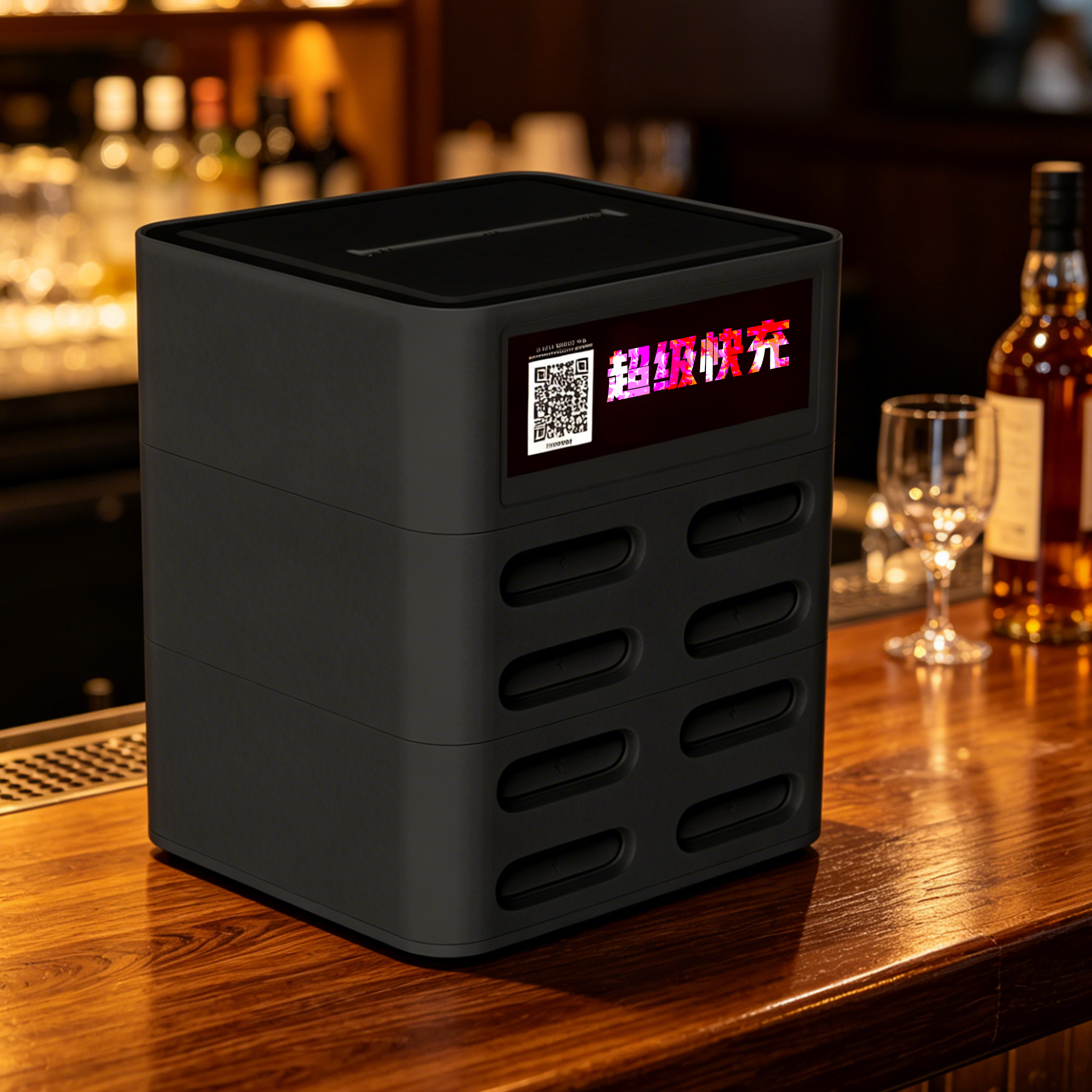
From Zero to Deployed: Shared Power Bank OEM for Startups – No Minimum Order Required
Startups entering the shared power bank market should focus on understanding demand patterns and user preferences. Providing easy access to rental services and strategically placing charging stations in high-traffic areas can significantly improve user engagement. Leveraging OEM partnerships enables personalized branding while minimizing upfront costs, an essential factor for new ventures. Regular data analysis aids in refining customer experience by adapting services based on actual usage trends. Furthermore, promoting collaborations with local businesses not only increases visibility but also creates win-win situations through revenue-sharing models. Robust marketing strategies that emphasize convenience can help amplify brand recognition and attract a loyal customer base. By continuously innovating and adapting to market shifts, startups can position themselves effectively within the competitive situation of charging solutions.
Shared power bank trends
the demand for shared power banks is rising as users look for convenient ways to stay charged in high-traffic areas. Startups can capitalize on this trend by offering flexible charging solutions. The market is gravitating towards OEM partnerships, such as those with the [Welink shared power bank factory](), which provide no minimum order requirements, presenting a low-barrier entry point. A recent survey shows that over 70% of smartphone users are willing to pay for easy access to charging services, underscoring the growing need.
“The convenience factor plays a significant role in user adoption of shared power banks.”
furthermore, new designs and user-friendly applications are critical in attracting customers. Startups
should focus on enhancing user experiences by ensuring seamless interactions with rental syste
ms and efficient payment processing. Establishing stations in strategic locations amplifies visibility and usage rates, aligning with current trends favoring portable solutions that simplify everyday challenges related to battery life.
Startup charging solutions
startups venturing into shared power bank services need to consider various original strategies. Welink shared power bank offers an OEM model that helps new businesses launch without hefty upfront costs. Many entrepreneurs find operational efficiencies through technology integration, enabling seamless rentals and payments. Easy access to data analytics can inform decisions on how to boost user experience and improve maintenance schedules.
A focus on local partnerships is beneficial, particularly in high-traffic venues like cafes, gyms,
and university campuses. Collaborations can increase visibility and attract additional clientele w
hile providing value to host locations through revenue-sharing opportunities. With market insights indicating a strong consumer demand for charging solutions, startups can efficiently tailor their offerings based on user preferences and behaviors. Establishing a complete marketing strategy, while leveraging social media and community engagement, will further promote these services and foster a loyal customer base.
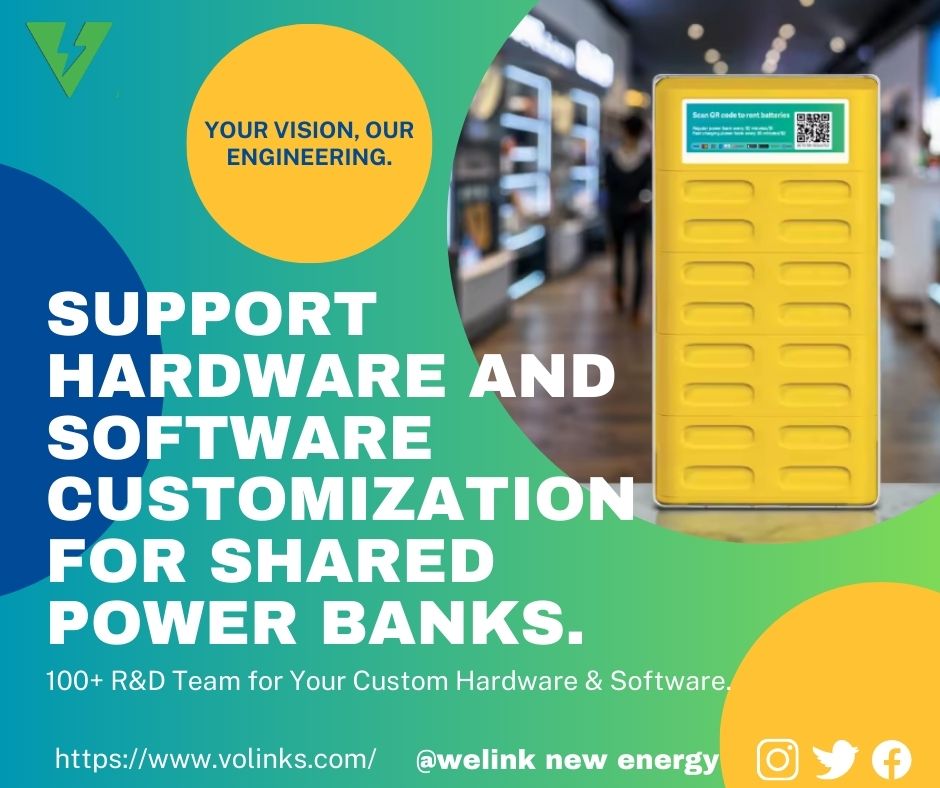
Market insights on OEM
The shared power bank market is evolving, with OEM options becoming increasingly attractive for startups. These options allow businesses to tailor products to their brand needs without substantial upfront costs. As consumer reliance on mobile devices grows, power bank rentals are projected to see surges in demand, especially in bustling environments. Research shows that users prioritize convenience and accessibility when choosing charging solutions. This suggests a clear gap for startups to fill by leveraging OEM services that provide both functionality and aesthetic appeal. Flexible manufacturing terms enable startups to test market response before scaling operations, minimizing risk. As competition intensifies, the ability to adapt quickly through effective partnerships can further boost market presence. Collaborating with established venues can boost visibility and streamline distribution, allowing startups to capitalize on existing foot traffic while focusing on customer engagement strategies tailored for specific demographics.
OEM Options in Charging
Startups entering the shared power bank market should explore various OEM options that cater to their unique needs. Selecting an OEM partner can provide significant advantages such as customization, cost-effectiveness, and quicker market entry. Startups can consider providers that allow for personalized branding and design features, ensuring their power banks resonate with their target audience. It’s also worth investigating suppliers who offer flexible manufacturing options, allowing for low minimum order quantities. This flexibility is essential for startups aiming to test the market before scaling production.
Furthermore, partnering with an established OEM can streamline logistics and reduce operational headaches associated with sourcing components independently. This collaboration can include support in regulatory compliance and quality assurance processes, which are vital in maintaining customer trust. Startups should actively compare different vendors, focusing on their technological capabilities and after-sales support to ensure a reliable supply chain. By leveraging these OEM options effectively, startups can establish a solid foundation for their shared power bank services while keeping operational costs manageable.
Growth strategies for Power Banks
To maximize success in the shared power bank market, focus on strategic location selection. Prioritize high-traffic venues like airports, stadiums, and shopping malls to ensure consistent customer engagement. Building partnerships with local businesses can also drive traffic to your stations; consider revenue-sharing models to incentivize collaboration. Customer experience is essential; invest in user-friendly apps that streamline rentals and allow customers to locate stations easily. Regularly analyze user behavior and preferences through data collection to adapt offerings accordingly, meeting evolving demands.
Maintaining a reliable supply chain is main; establish relationships with multiple OEM suppliers for flexible inventory management. Marketing plays a important role too—leverage social media and community outreach to build brand awareness and trust among potential users. Diversify services by offering subscription models or loyalty programs, encouraging repeat usage and encouraging customer loyalty. Monitor competitors closely to identify gaps in the market that can be exploited for growth, ensuring your brand remains competitive and relevant in an evolving scene.
original Partnerships Ahead
Collaborating with established brands and local businesses can greatly boost the reach of shared power bank services. For startups, forming strategic alliances with hospitality venues, retail stores, and transportation hubs makes sense. These partners not only provide prime locations but can also introduce charging stations to their customer experiences. also, approaching tech companies for co-branding opportunities may expedite market entry. As interest in sustainable practices grows, partnering with eco-conscious organizations offers potential for joint marketing campaigns that can resonate with environmentally aware consumers. This approach not only diversifies the partner network but also builds credibility. Aligning with local events or festivals can further drive visibility and engagement, creating an ecosystem where startups thrive by leveraging existing customer bases of their partners.
Scaling shared power banks
to scale shared power bank operations effectively, startups must assess demand patterns and strategically increase their inventory. Understanding peak usage times and adapting to customer habits can inform the placement of additional units. Data analytics from existing stations can drive informed decisions regarding expansion into new locations, ensuring high visibility in places with foot traffic like shopping centers and airports. Collaboration with local businesses can lead to mutually beneficial arrangements, such as revenue-sharing opportunities that entice establishments to host charging stations.
Leveraging technology also plays a main role in scaling efforts. Implementing user-friendly apps encourages customer engagement and provides insights into usage trends. Continuous investment in maintenance ensures reliability, encouraging customer trust and satisfaction. Furthermore, exploring partnerships with OEM providers can streamline hardware acquisition while minimizing costs, allowing for a rapid deployment of additional units without heavy financial burdens. By focusing on solid logistical frameworks and strategic collaborations, startups can elevate their presence in the competitive scene of charging solutions.
Successful deployment tactics
to successfully deploy shared power banks, startups should focus on strategic site selection and robust logistics management. Prioritizing high-traffic areas like shopping malls, airports, and event venues ensures maximum visibility and usage. Collaborate with local businesses to host charging stations, offering revenue-sharing deals that benefit both parties. Streamlining operations is essential; implement a reliable system for maintaining inventory levels and ensuring proper charging of devices. Customer support plays a crucial role too. Create an easy-to-use app for rentals that includes GPS tracking to locate nearby stations, simplifying the user experience. Regular feedback collection from users can identify areas for service improvement, contributing to higher user satisfaction. Furthermore, marketing efforts should emphasize the convenience and reliability of your service in addressing urgent charging needs. Building strategic partnerships with event organizers can also boost brand visibility during festivals or conventions by providing dedicated rental units on-site. By utilizing these tactics, startups can capture market share effectively while delivering helpful solutions to consumers.
Conclusion
startups entering the shared power bank market must adapt strategies that prioritize customer needs and operational efficiency. By leveraging OEM opportunities, businesses can minimize expenses while launching tailored charging solutions. Establishing strategic partnerships in high-visibility locations is essential for enhancing brand recognition and driving user engagement. Continuous data analysis of customer interactions will inform necessary adjustments in service offerings, ensuring a responsive approach to market demands. The appeal of shared power banks lies not only in their practicality but also in the innovation startups bring to the industry, from user-friendly apps to seamless payment systems. Navigating competitive landscapes requires agility and a willingness to iterate on business models, keeping user experience at the forefront while exploring new growth avenues. Building a reliable operational framework will support scalability and foster trust among users, making shared power banks a valued component of modern conveniences.
FAQs
What are shared power banks?
Shared power banks are portable charging devices available to rent in high-traffic areas, allowing users to charge their electronic devices on-the-go.
How do I rent a shared power bank?
Renting a shared power bank usually involves locating a charging station via an app, selecting a unit, and completing the payment process.
What is the cost of renting a shared power bank?
Rental prices vary by location and service provider, typically ranging from a few dollars per hour to daily rates.
Where can I find shared power banks?
You can find shared power banks in places like airports, shopping malls, event venues, cafes, and gyms that attract large crowds.
Are there any subscription options for shared power banks?
Many providers offer subscription models or loyalty programs with discounted rates for frequent users or unlimited access within certain timeframes.
Can I return a rented power bank at any location?
Return policies depend on the service provider; some allow returns at any station while others require returning to the original rental location.
What happens if I lose or damage a rented power bank?
Most services have policies for lost or damaged units, generally imposing fees that vary depending on the provider’s terms and conditions.
How can startups benefit from OEM options in shared power banks?
OEM options enable startups to customize their branding, reduce startup costs, and launch products without significant inventory investment.
Is there demand for shared power bank services?
Yes, surveys indicate that a significant portion of smartphone users express interest in convenient charging solutions outside their homes.