Ready for High-Temp & Humid Climates: IP54-Rated Power Bank Stations from Welink Shared Power Bank Factory
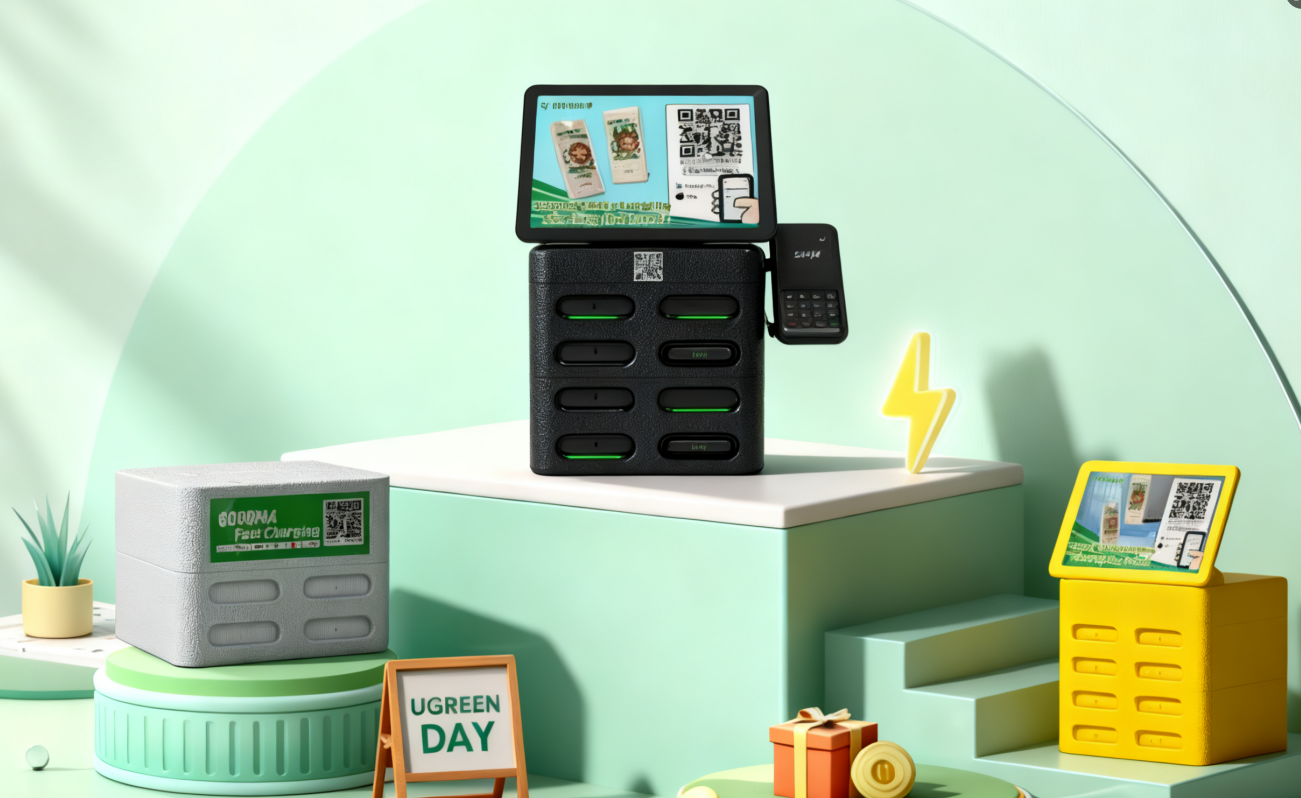
Welink’s IP54 outdoor power bank stations provide reliable charging in hot and humid settings, combining rugged enclosures with a modular slot system that can be reconfigured as needs shift. Each unit delivers consistent 5V/2A per port across a scalable footprint, supporting multiple devices simultaneously while maintaining energy efficiency in standby. The IP54 rating guards against dust and splashes, and active temperature control helps maintain performance up to 45°C. Remote maintenance is streamlined through cellular connectivity and remote firmware updates, reducing on-site visits. Safety features—short-circuit, over-voltage, over-current protection—ensure safe operation in outdoor environments. Branding flexibility is built in, with adaptable logo placements, color schemes, and scene-based branding that withstand sunlight and weather without compromising durability. For deployment planners, this approach enables phased scale, easier maintenance, and consistent user experiences across campuses, transit hubs, and event venues. Effective site readiness—reliable power, stable network coverage, and clear maintenance routines—remains essential to maximize uptime in rugged outdoor charging infrastructure.
Welink IP54 Outdoor Power Bank Stations: Rugged, Weather-Resistant Charging for Harsh Climates
Welink IP54 outdoor power bank stations are designed for hot and humid environments, featuring rugged housings and an IP54 protection rating that defends against dust and splashing water. The modular slot design enables flexible outdoor deployment, adapting to varying user needs and maintenance routines. Each port delivers 5V/2A, with a total system capacity up to 40W, while standby energy use remains low to support long-term operation in remote areas. Connectivity supports remote management through 4G/3G/2G networks and OTA updates, ensuring firmware stays current without on-site visits. Safety features include short-circuit protection, over-voltage and over-current protection, temperature control, and an operating range of 0–45°C, with certifications aligned to global outdoor-use standards. Branding customization options let operators apply logos and color schemes, as well as scene-based branding, without impacting performance. The table below highlights core specs. [ ]()
Parameter
Specification
IP rating
IP54
Slots
Modular design
Port output
5V/2A per port; up to 40W total
Power input
110–240V AC
Connectivity
4G/3G/2G; OTA
Operating temp
0–45°C
Certifications
CE/ROHS/FCC and others
Tip: Ensure reliable network coverage and power supply at deployment sites for stable operation.
Consider phased branding to test user engagement before full-scale rollout.
Modular Charging Kiosks for Flexible Outdoor Deployment: 5V/2A Per Port and Easy Slot Customization
Modular design helps operators scale outdoor charging quickly without overhauling the whole system. Each kiosk accepts interchangeable slots that can be rearranged or added as demand changes, while each port delivers a stable 5V/2A output to keep devices reliably powered. This approach minimizes downtime during reconfiguration and supports scenario-based deployments such as campuses, transport hubs, and event venues. The housings are designed to meet IP54 outdoor protection, resisting dust and moisture while remaining accessible for maintenance. Remote management capabilities enable OTA firmware updates and status checks, reducing on-site visits. Integration with the ‘Welink shared power bank’ ecosystem ensures interoperability across stations and shared inventory, helping operators optimize asset utilization, maintain compliance, and plan for peak periods with predictable charging performance.
Branding Customization Options for Welink Outdoor Chargers: Logo, Color Design, and Scene-Based Branding
Branding customization for Welink outdoor charging stations centers on three core areas: logo application, color design, and scene-based branding. Logo placement remains flexible across accessible surfaces, with options ranging from subtle engraving to bold decals that endure outdoor conditions without glare or peeling. Color design supports brand consistency through UV-stable finishes and weather-resistant coatings that resist fading in heat and humidity while preserving legibility in varying lighting. Scene-based branding adapts the visual language to deployment contexts—such as transit corridors, university campuses, shopping districts, or stadiums—by coordinating typography, imagery, and color cues with environmental design goals and accessibility guidelines. The customization workflow emphasizes clear design briefings, material compatibility with IP54-rated enclosures, and repeatable production processes to ensure uniform appearance across locations. This approach balances brand identity with practical considerations of durability, maintenance, and safety in outdoor environments.
Durable Housing and Safety Certifications: OVP, OCP, OTP, Temperature Control, and Global Certifications
Durable housing is a core requirement for outdoor charging stations, especially in hot and humid climates. According to the guidelines from the ‘Welink shared power bank factory’, enclosures use rugged, impact-resistant shells with sealed seams to meet IP54-like protection levels, guarding internal components from dust and moisture. Key safety protections include over-voltage protection (OVP), over-current protection (OCP), and over-temperature protection (OTP), paired with active temperature control to maintain stable operation across a broad operating window. The design aligns with global certifications such as CE, RoHS, FCC, and regional marks, ensuring compliance across markets. A modular power interface and certified components reduce failure modes and facilitate maintenance in remote deployments. This approach supports reliable performance, minimizes downtime, and underpins safe user experiences in shared charging environments.
OTA Updates and Connectivity: 4G/3G/2G Networks for Remote Maintenance
OTA updates are delivered through cellular networks to keep outdoor power bank stations current without site visits. Devices support 4G, 3G and 2G connectivity, ensuring access in dense cities and remote areas alike. The update workflow performs version checks, downloads signed firmware in small chunks, validates integrity, and installs with an automatic rollback if problems arise. After the update, devices reboot and resume operation with minimal downtime. This capability enables remote diagnostics, real-time health monitoring, and configuration changes from a central console, reducing maintenance trips during peak seasons. Security is built in: communications use encrypted channels, firmware is code-signed, and certificates are pinned to prevent tampering. Update scheduling can align with low-traffic periods, with automatic fallbacks when the primary network signal is weak. Ongoing monitoring combines signal strength data, device telemetry, and fault alerts to optimize deployment, service planning, and overall reliability of rugged outdoor charging infrastructure.
Practical Deployment Guide: Installation, Maintenance, and Compliance for Rugged Outdoor Charging Infrastructure
Effective deployment of rugged outdoor charging infrastructure starts with site readiness and weather considerations. For IP54-rated enclosures, plan for openings and seals, protect cable entries, and ensure secure mounting on stable surfaces to tolerate wind and vibration. Modular charging kiosks with interchangeable slots support scalable capacity and simplified maintenance; technicians can swap damaged modules without disturbing the entire unit, reducing downtime. Typical per-slot outputs are around 5V/2A, with a combined capacity that can service multiple devices simultaneously; design should account for peak usage and energy efficiency, including standby consumption. Connectivity is essential for remote management: multi-band networks (4G/3G/2G) and over-the-air updates enable firmware patches, configuration changes, and fault reporting without on-site visits. Safety features include short-circuit protection, over-voltage protection, over-current protection, and active temperature control, reinforced by certifications that cover electrical safety and electromagnetic compatibility. During installation, ensure proper electrical connection, outdoor-rated cabling, and weatherproof access for maintenance, while aligning with local codes and enclosure labeling; schedule regular inspections to maintain performance and safety.
Conclusion
Welink’s IP54 outdoor power bank stations are designed to endure hot and humid climates, combining rugged housings with a modular footprint that adapts to changing outdoor needs. The interchangeable slots allow rapid reconfiguration for different sites, while individual ports deliver dependable 5V/2A power and a total capacity that supports multiple devices simultaneously. Remote management through cellular connectivity and OTA updates keeps firmware current without on-site visits, reducing maintenance effort in harsh environments. Brand customization—logo placement, color schemes, and scene-based visuals—can be applied without compromising enclosure integrity or reliability. Safety is addressed through protections against short circuits, over-voltages, over-currents, and temperature excursions, supported by active thermal management and wide operating ranges. For deployment, success relies on solid site readiness: stable power supply, reliable wireless coverage, and clear maintenance routines. A phased rollout with performance monitoring helps optimize asset utilization, minimize downtime, and ensure consistent charging availability across outdoor settings.
FAQs
What climate conditions are Welink IP54 outdoor stations designed to endure?
They are built for hot, humid environments, with rugged housings and IP54 protection against dust and water splashes.
How does the modular design support outdoor deployment?
Interchangeable slots and scalable configurations allow quick reconfiguration, while each port continues to deliver 5V/2A.
What branding options are available?
Logo placement, color finishes, and scene-based branding that preserve enclosure integrity and reliability.
What safety features are included?
Over-voltage, over-current, short-circuit protections, active temperature control, operating range 0–45°C, with global certifications.
How is remote maintenance enabled?
Cellular connectivity supports OTA firmware updates and remote diagnostics via 4G/3G/2G networks.
What deployment considerations are recommended?
Ensure stable power and network coverage, plan phased branding, and schedule regular maintenance inspections.
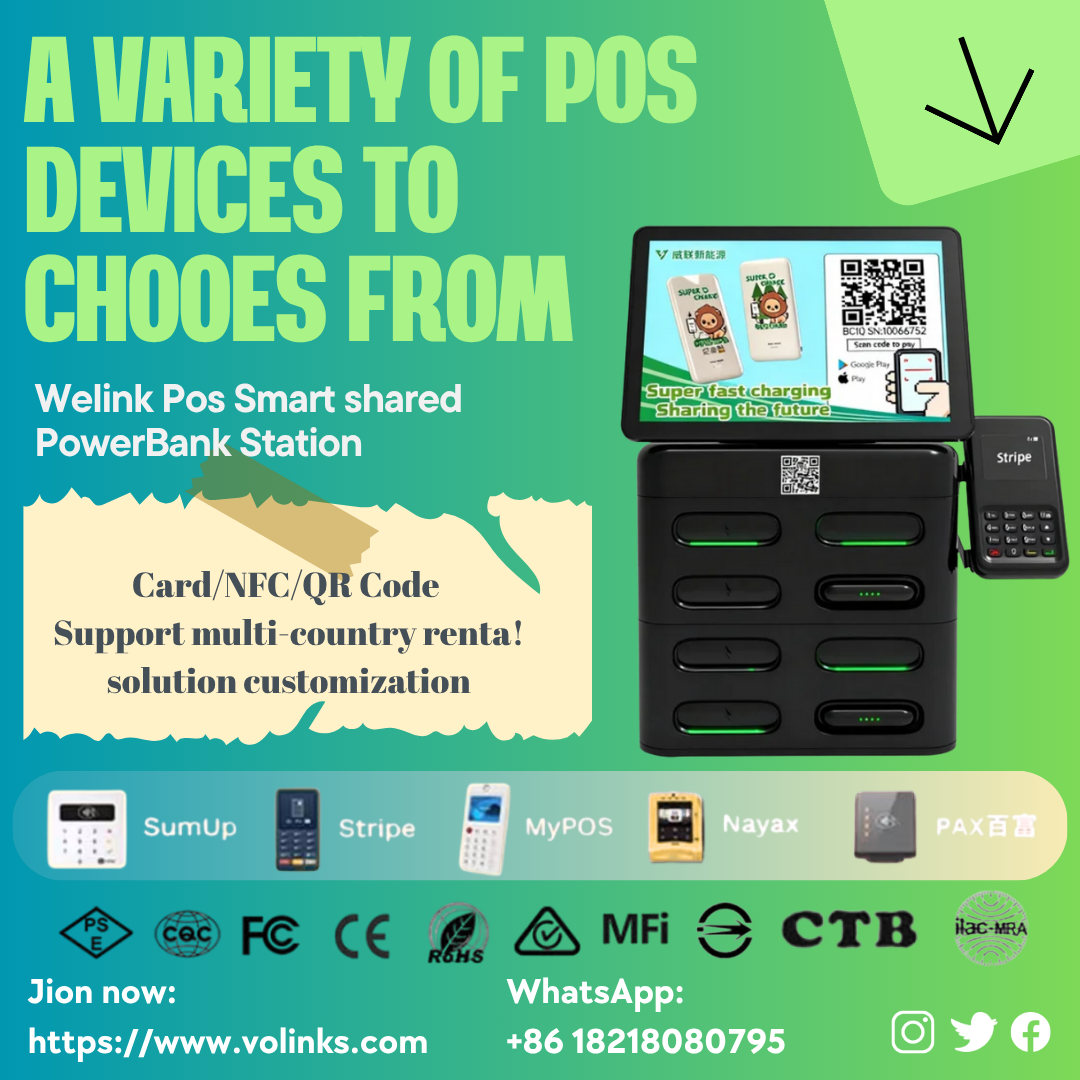 at resist fading in heat and humidity while preserving legibility in varying lighting. Scene-based branding adapts the visual language to deployment contexts—such as transit corridors, university campuses, shopping districts, or stadiums—by coordinating typography, imagery, and color cues with environmental design goals and accessibility guidelines. The customization workflow emphasizes clear design briefings, material compatibility with IP54-rated enclosures, and repeatable production processes to ensure uniform appearance across locations. This approach balances brand identity with practical considerations of durability, maintenance, and safety in outdoor environments.