Top 5 Shared Power Bank OEM Manufacturers in 2026: Who Leads the New Market
The shared power bank market in 2026 is marked by rapid advancements and adaptations by leading Shared Power Bank OEM Manufacturers. Industry frontrunners are prioritizing user-centric features, such as integrated smart technologies and customizable rental systems, to enhance convenience for consumers. As demonstrated by brands like Anker and ChargeLink, the focus on portability and rapid charging aligns with evolving consumer expectations for efficiency and ease of use. Additionally, manufacturers are embracing sustainable practices, acknowledging the growing demand for eco-friendly solutions. This responsive approach not only addresses immediate consumer needs but sets the stage for ongoing innovation within the shared power bank sector.
As the demand for shared power banks surges in 2026, several manufacturers have emerged as industry leaders by providing innovative solutions that meet consumer needs. Companies like ElecPower and ChargeLink are at the forefront, introducing unique features such as rapid charging capabilities and eco-friendly designs. Their ability to adapt to trends, including mobile payment integration and enhanced battery life, sets them apart in a competitive market. “Innovation lies at the heart of our mission,” states a representative from ElecPower. Additionally, brands focus on user accessibility, ensuring that charging stations are conveniently located in high-traffic areas. This strategic placement aligns with consumer behavior trends and enhances user experience. For a more detailed exploration of market innovations, you can visit [ ](). By understanding these dynamics, it becomes evident why these key players are shaping the future of shared power banks today.
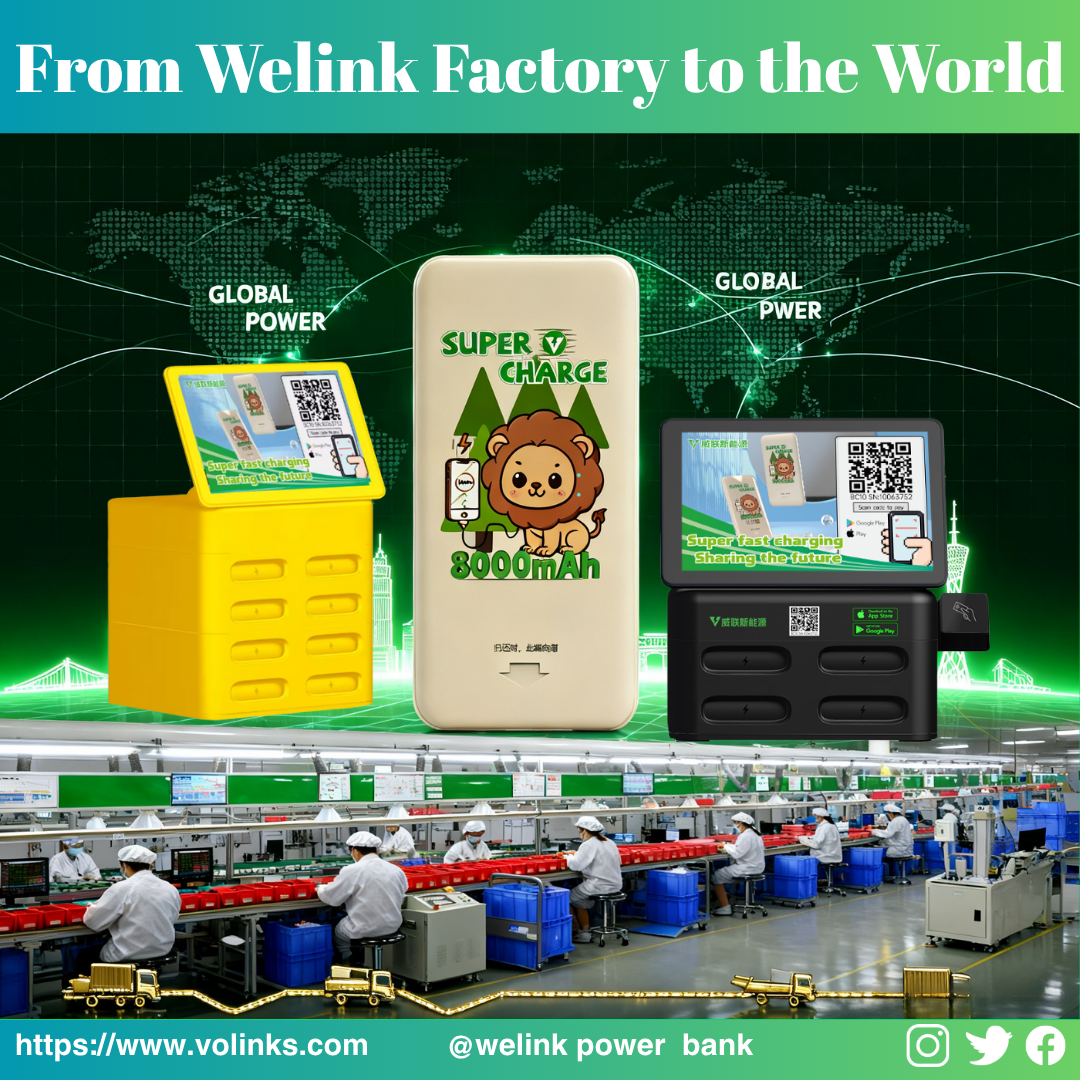
In 2026, the landscape of shared power banks is enriched by the innovative solutions introduced by leading OEM manufacturers. Companies like Welink shared power bank factory have pioneered advancements that cater to both functionality and user experience. These manufacturers focus on integrating smart charging technologies that automatically adjust output to match device needs, enhancing efficiency while minimizing energy waste.
Moreover, many are adopting modular designs that allow for scalable power solutions, which are critical in high-demand scenarios such as events or public spaces. The incorporation of lightweight materials ensures portability without compromising on capacity. As consumer expectations grow, manufacturers are also prioritizing aesthetics alongside performance, offering sleek designs that appeal to a tech-savvy audience.
These innovations not only meet present-day demands but also lay the groundwork for future advancements in shared power bank technology. The ongoing desire for convenience and reliability ensures that leading manufacturers stay at the forefront of industry developments.
In 2026, the shared power bank market is characterized by several key manufacturers leading the charge. Companies like Anker and PowerDrive are renowned for their innovative designs that prioritize user convenience and charging efficiency. Their products are not only portable but also equipped with advanced safety features that appeal to consumers. Additionally, emerging players such as ChargeNet are making strides by focusing on customizable solutions tailored to unique consumer demands. These manufacturers emphasize user-friendly apps that facilitate easier access to power bank rentals, reflecting the growing trend towards seamless technology integration. As these companies adapt to shifting consumer preferences, they remain at the forefront of market growth and technological advancement in the shared power bank arena.
As we move through 2026, consumer demand for power banks continues to evolve, driven by technological advancements and the increasing reliance on mobile devices. Users are not only seeking longer battery life but also faster charging capabilities and enhanced portability. The rise of shared power banks has notably altered consumer expectations, as users increasingly prefer access to shared solutions that promote convenience and sustainability. With urban mobility on the rise, consumers now favor power banks that fit seamlessly into their dynamic lifestyles—think compact designs and lightweight materials. Furthermore, there is a growing appetite for innovative features such as wireless charging and integrated smart technology that offers real-time battery status updates. This shift in preferences is compelling manufacturers to adapt their product lines swiftly, focusing on creating solutions that genuinely address these emerging consumer needs while retaining competitive pricing and reliability.
In 2026, the landscape of shared power banks is rapidly evolving, driven by key OEM suppliers that prioritize innovation. Among these, Welink shared power bank factory stands out for its commitment to developing cutting-edge charging solutions that cater to diverse consumer needs. These manufacturers are not only focused on optimizing battery technology but also on enhancing user experience through smart features like app connectivity and real-time usage tracking. As competition intensifies, these power bank suppliers are investing in eco-friendly materials and sustainable practices, which resonate with the growing demand for environmentally conscious products. Their ability to adapt to shifting consumer preferences ensures that they remain at the forefront of the market, continually setting new standards for efficiency and convenience.
The shared power bank market in 2026 is characterized by intense competition among leading brands. Companies are not just focusing on product availability; they are also prioritizing customer experience. Key players are investing in user-friendly interfaces and strategic partnerships to enhance accessibility. Brands like Anker and Xiaomi have emerged as strong contenders, thanks to their commitment to innovation and reliability. Additionally, emerging companies are entering the market with unique offerings, targeting specific consumer demands such as eco-friendliness and portability. The combination of established leaders and novel entrants creates a dynamic environment that continually evolves, ensuring that the competitive landscape remains robust and adaptable to shifting consumer preferences. Ultimately, these developments reflect an industry moving towards more collaborative models to meet growing demand while staying ahead of market trends.
In 2026, the power bank industry witnesses a surge in innovative technologies that redefine usability and efficiency. One prominent trend is the integration of wireless charging capabilities, allowing users to conveniently power their devices without the hassle of cords. Additionally, advancements in battery technology, such as solid-state batteries, enhance energy density and safety, significantly improving charge times and longevity. Smart features are also gaining traction, with power banks equipped with real-time monitoring systems that display charge levels and optimize performance based on user habits. Furthermore, companies are increasingly focusing on eco-friendly materials and designs to meet the rising consumer demand for sustainable products. These developments not only cater to user preferences but also push firms toward a competitive edge in a rapidly evolving market landscape.
As consumer preferences evolve, leading OEM manufacturers in the shared power bank market, such as Welink shared power bank, are adapting their strategies to stay ahead. These companies actively monitor consumer demand trends and incorporate feedback into their product designs. The proliferation of technology and the increasing reliance on mobile devices have heightened the need for convenient charging solutions. In response, industry leaders are not only focusing on enhancing battery capacity and lifespan but also improving portability and user experience. By offering innovative features such as wireless charging and IoT integration, they are addressing diverse consumer needs while maintaining a competitive edge in the marketplace. Moreover, collaborations with tech firms allow these manufacturers to integrate cutting-edge technologies, ensuring their products remain relevant and appealing to a broader audience.
As we look towards the future of the shared power bank industry in 2026, it is clear that market leaders are not only responding to immediate consumer needs but are also anticipating future trends. The emphasis on innovative solutions like modular designs, smart charging capabilities, and eco-friendly materials reflects a proactive approach to market demands. Key manufacturers understand that consumer preferences are shifting towards convenience and sustainability, prompting investments in new technologies and designs that resonate with users. This ongoing evolution is likely to shape the competitive landscape, pushing both established brands and new entrants to continuously adapt. The commitment of these companies to enhance user experience while addressing environmental concerns will be crucial in defining the success of shared power banks moving forward.
What factors are driving the growth of the shared power bank market in 2026?
The growth is driven by increasing smartphone usage, consumer demand for convenience, and technological advancements in battery efficiency and charging speed.
Who are the leading OEM manufacturers in the shared power bank industry?
Top manufacturers include companies like Anker, ChargeLink, and Welink, known for their innovative designs and customer-friendly solutions.
What innovative features are consumers looking for in power banks?
Consumers seek features such as rapid charging capabilities, wireless charging options, smarts compatibility with devices, and user-friendly rental systems.
How do companies ensure their products meet consumer expectations?
Manufacturers gather consumer feedback and analyze market trends to enhance product design and functionality according to evolving preferences.
Are environmental considerations important in the power bank market?
Yes, there’s an increasing emphasis on sustainability, prompting manufacturers to use eco-friendly materials and designs that appeal to environmentally conscious consumers.