2026 Shared Power Bank White-Label Market: The Silent Winners and How to Join Them
The shared power bank white-label market is ripe with potential for both established brands and newcomers. Key players like Welink are not just innovating but also redefining market standards through effective collaborations. Companies that align with high-traffic venues can enhance their product visibility, making strategic partnerships essential for growth. Moreover, as more consumers demand portable charging solutions, businesses should remain adaptable to changing trends and preferences. Emphasizing strong customer service and sustainability can further distinguish a brand in this competitive landscape. By continuously monitoring industry movements and strategically positioning themselves, businesses can capitalize on opportunities t
hat lead to sustained success in this vibrant market.
The shared power bank market is rapidly evolving, presenting numerous opportunities for businesses to engage in the white-label sector. Major players, such as Welink shared power bank, are setting benchmarks in quality and service. These companies prioritize user experience and convenience, leading to increased consumer demand.
Market strategies include partnerships with cafes, airports, and other high-traffic venues to establish a network of rental stations. This model not only drives revenue for these establishments but also enhances brand visibility for white-label products.
As industry dynamics shift, understanding competitor strategies and consumer trends becomes crucial in positioning within this lucrative market. Below is a table outlining key players and their strategies:
Leveraging insights from established businesses can greatly aid new entrants looking to thrive in this arena. Furthermore, exploring [here]() can enhance comprehension of market mechanisms and success factors needed for growth in this space.
In the evolving landscape of the shared power bank market, several players are emerging as significant contributors to this revolution. Notable among them is Welink shared power bank, which has garnered attention for its innovative approach and extensive distribution network. Other key players include established technology firms and startups alike, each leveraging unique strategies to capture market share. These companies focus on user-friendly designs, robust charging capabilities, and strategic partnerships with businesses in high-traffic areas like airports, cafes, and shopping centers. Additionally, an emphasis on sustainability and cost-effectiveness is becoming increasingly important as consumer awareness grows. Collaborative efforts among these players not only bolster their individual positions but also enhance market development as a whole.
To thrive in the shared power bank white-label market, businesses must adopt strategies that emphasize partnership and innovation. Collaboration with mobile accessory manufacturers can streamline production and enhance quality. Effective branding is crucial; developing a distinct identity can help differentiate products in a crowded marketplace.
“In a competitive environment, a unique brand voice is essential for capturing consumer attention.”
Leveraging online platforms for marketing can expand reach and enhance visibility. Engaging customers through social media and targeted campaigns fosters brand loyalty. Additionally, data analytics can provide insights into consumer preferences, allowing businesses to fine-tune offerings effectively.
Investing in customer service is another key strategy. Providing reliable support fosters trust and encourages repeat purchases. Coupling these elements with sustainable practices can not only attract eco-conscious consumers but also improve brand reputation within the industry. Embracing these strategies positions companies well to navigate the complexities of the evolving market landscape.
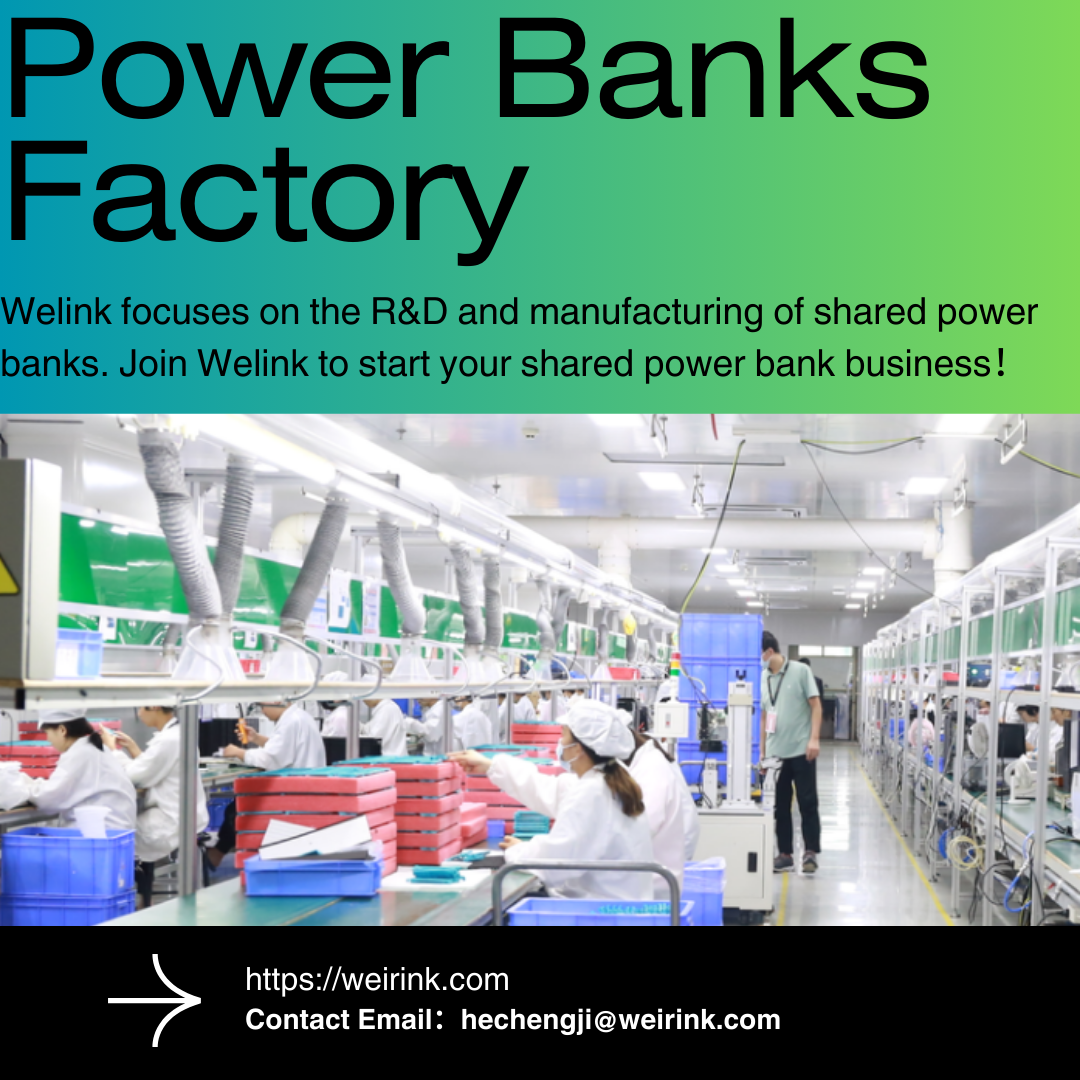
The shared power bank sector has emerged as a lucrative space, driven by increasing consumer demand for portable charging solutions. As more businesses recognize the potential of white-label power banks, opportunities abound for those ready to enter this market. A notable player, the Welink shared power bank factory, exemplifies how effective manufacturing can pave the way for brand growth. Companies interested in this field can tap into diverse customer segments, from retail to hospitality, by offering branded charging solutions that enhance user experience. Furthermore, with advancements in battery technology and increased smartphone usage, the timing is ideal for new entrants to innovate and create partnerships that resonate with their target audience. The key lies in understanding market dynamics and effectively leveraging distribution channels to maximize outreach and impact.
To carve out a successful niche in the white-label shared power bank market, companies should focus on understanding consumer preferences and emerging trends. It’s essential to conduct market research to identify potential gaps that competitors have overlooked. By leveraging data analytics, businesses can tailor their offerings to meet specific demands, ensuring higher customer satisfaction. Collaborating with established manufacturers helps ensure product quality and reliability, which are critical in gaining consumer trust. Additionally, building a strong online presence through social media and targeted advertising can effectively reach your audience. This proactive approach not only enhances brand visibility but also establishes your company as a knowledgeable player in an evolving market. Moreover, networking with influential industry experts can unlock valuable insights and partnerships that position your company advantageously amid low competition segments.
The white-label power bank market presents unique challenges that stakeholders must navigate to succeed. One significant hurdle is the intense competition among manufacturers, leading to price wars that can erode profit margins. Additionally, ensuring product quality while maintaining cost-effectiveness is crucial; customers expect reliable charging solutions that operate seamlessly. Regulatory compliance adds another layer of complexity, as emerging regulations can impact production processes and market entry. Furthermore, securing distribution channels is essential, as partnerships with retailers and e-commerce platforms can significantly influence market reach. As brand differentiation becomes critical, businesses must innovate and develop unique value propositions to stand out in an increasingly crowded marketplace. By addressing these challenges strategically, companies can position themselves favorably within the growing white-label power bank sector.
As the demand for on-the-go charging solutions increases, businesses are finding innovative ways to leverage the shared power bank model. Factors like urbanization, the rise of mobile devices, and the need for reliable charging options create a fertile ground for shared power bank initiatives. Companies are exploring partnerships with local businesses, such as cafes and restaurants, to provide strategic locations for power bank deployment. Furthermore, advancements in battery technology are improving performance and customer satisfaction. By aligning with user preferences for convenience and accessibility, brands can effectively position themselves in this evolving market. Keeping an eye on emerging trends, such as sustainability and user experience enhancements, will also contribute to long-term success in the shared power bank sector.
To thrive in the white-label market for shared power banks, developing a robust business model is essential. Start by identifying target demographics and their needs, as understanding customer preferences can guide product development. Incorporating flexible pricing strategies can enhance competitiveness; consequently, offering tiered options can attract both budget-conscious consumers and premium buyers. Collaborating with reliable manufacturers to ensure quality production while maintaining cost efficiency becomes crucial. Additionally, establishing effective marketing channels to reach potential clients is key—leveraging social media and influencer partnerships can boost visibility. Moreover, analyzing competitors’ strengths and weaknesses allows for adjustments and strategic positioning. By focusing on these aspects, businesses can create a sustainable model that sets them apart in this evolving market landscape.
The shared power bank white-label market is positioning itself as a vital segment within the broader technology landscape. Companies that recognize and adapt to the shifting dynamics, consumer preferences, and emerging trends will likely emerge as leaders. Engaging with strategic partnerships and focusing on product quality will foster trust and facilitate brand loyalty among consumers. Moreover, businesses that fully leverage data analytics to inform their decisions can create tailored offerings that better satisfy market demands. As competition intensifies, it becomes crucial to innovate continuously, thereby ensuring sustainable growth and long-term success in this rapidly evolving arena. By understanding these critical factors, businesses can effectively navigate the challenges of the white-label power bank sector while establishing themselves among the industry’s standout players.
What are the main benefits of entering the shared power bank white-label market?
Entering this market provides opportunities for brand visibility and accessibility, allowing businesses to cater to the growing demand for portable charging solutions.
Who are the leading companies in this sector?
Key players include Welink shared power bank, known for its innovative approach, along with several technology firms and startups focusing on user satisfaction and strategic partnerships.
What strategies are effective for success in this market?
Effective strategies include forming partnerships with high-traffic venues, investing in online marketing, and emphasizing product quality through collaboration with reputable manufacturers.
How can new businesses differentiate themselves from established competitors?
New entrants can leverage data analytics to understand consumer preferences better and tailor their offerings while creating a unique brand identity to stand out in a crowded marketplace.
What challenges might businesses face when entering the shared power bank space?
Challenges include intense competition leading to price pressure, ensuring product quality while managing costs, and navigating regulatory compliance.