120+ Language Support & Global Payment Integration – How Welink Shared Power Bank Factory Helps You Win Local Markets
Takeaways from deploying shared power banks across markets show that language and payment agility are foundational. By supporting 120 languages, operators can tailor onboarding, help content, and error messages to local users, while a centralized localization workflow preserves consistency as features scale. Global payment integration, including local methods and currencies, smooths cross-border revenue flows and simplifies settlement, with security measures to protect transactions. OEM white-label hardware accelerates international expansion by enabling region-specific branding—logos, colors, form factors—paired with seamless software integration and regional certifications to ease entry. A modular architecture supports pilots and full-scale deployments, with backend governance and cloud services keeping fleets manageable across sites. Localization extends beyond language to UX, regulatory labeling, and support channels, reinforcing user trust. These elements support scalable deployment, consistent governance, and adaptive local delivery as routes to expansion.
Multilingual Support and Global Payment Integration for Shared Power Bank Deployments
To win local markets, deployments must feel native to users. A flexible interface supports 120+ language options, with clear translations for onboarding, in-app help, and notifications, plus fallbacks to avoid gaps. A centralized localization workflow keeps terminology consistent as features scale, reducing confusion for first-time users.
On the payments side, a global integration should cover local methods, currencies, and settlement timelines, while ensuring security through tokenization and risk controls. Align gateways with regional tax rules and merchant requirements to simplify reconciliation for operators and partners. A modular payment layer lets brands swap gateways with minimal downtime, accelerating international rollout.
Tip: Prioritize markets by user base and translate core flows first to redu
ce friction.
Suggestion: Regularly test payment acceptance and adjust payout schedules to match local business rhythms.
[More details]()
OEM White-Label Hardware for International Market Expansion
For brands targeting new markets, the OEM white-label hardware from ‘Welink shared power bank factory’ enables branded deployments with predictable lead times and scalable production. This approach covers enclosure customization, logo and color matching, and configurable form factors to suit various use cases. It also ensures tight software integration with existing rental platforms and payment workflows, as well as upfront regional certifications to ease market entry. Prototyping, testing, and phased rollouts help minimize risk while aligning with local demand.
| Customization focus | Beneficiaries |
| Hardware enclosures | Brand visibility, regional styling |
| Logo and color branding | Consistent identity across markets |
| Charging modules | Supports normal and fast charging needs |
| Software integration | Branded UI, payment gateway compatibility |
| Certifications readiness | Accelerates regulatory approvals |
Scalable Shared Power Bank Solutions: From Local Deployments to Global Footprints
Deploying shared charging infrastructure at scale starts with a flexible backbone. Hardware platforms are designed for quick customization, whether starting from proven templates or introducing OEM white-label finishes to match local branding. The accompanying software stack streamlines operations, from inventory and usage analytics to remote monitoring and maintenance alerts, allowing operators to manage fleets across multiple sites with minimal on-site support. Localization is built in: multilingual interfaces and region-specific payment workflows help connect with diverse user bases, while configurable access rules support varied regulatory landscapes. A modular approach to charging, vaults, and kiosks supports both compact urban deployments and rugged outdoor settings, ensuring reliability in different climates. The solution supports international market expansion by providing centralized governance, scalable cloud services, and partner ecosystems that facilitate certification, integration, and smooth rollout, keeping deployments consistent as footprints grow.
Localized Deployments with 120 Language Support for Global Brands
Localized deployments with support across 120 languages enable brands to tailor user experiences for each market while maintaining a consistent core platform. The system provides multilingual UI, localized error messages, and regional content management so operators can launch in new geographies without rebuilding workflows. Pairing this with global payment integration ensures smooth revenue flows across currencies and local payment methods, reducing friction for end users. The hardware remains configurable via OEM white-label options, letting brands preserve their visual identity while leveraging shared power bank deployments. This approach supports international market expansion by enabling phased rollouts—pilot programs, regional pilots, then full-scale deployment—without sacrificing compliance or security. Operational tooling includes scriptable asset management, remote diagnostics, and fast onboarding of partners, ensuring that local teams can operate autonomously while adhering to brand standards.
Seamless Global Payments: Enabling Cross-Border Revenue with Shared Power Banks
Global payment integration is central to cross-border deployments of shared power banks. Welink shared power bank solutions are designed to work with regionally popular payment methods and currencies, enabling operators to monetize usage while keeping checkout simple for users. The Welink shared power bank factory coordinates hardware compatibility with diverse payment gateways and compliance standards, ensuring consistent performance across markets. By supporting multiple wallets and card payments, operators can tailor deployments to local preferences, minimize friction at pickup and return, and reduce revenue leakage from abroad. Local currency settlement and unified reconciliation support smoother cross-border accounting across networked stations and rental software. The combination of standardized hardware from the Welink shared power bank factory and flexible software payment layers helps brands scale from a single city to multinational footprints without reengineering core systems. This approach supports local-market readiness while maintaining brand consistency and governance across the ecosystem.
End-to-End Ecosystems for International Market Expansion of Shared Charging Solutions
Building a cohesive ecosystem supports brands in scaling shared charging services across borders with consistent outcomes. Hardware platforms are designed to be white-labeled and adaptable, enabling localized branding while maintaining reliability in diverse conditions. The software layer coordinates rental management, device monitoring, and fleet analytics, providing operations with real-time data to optimize uptime and revenue. A modular payment framework accommodates multiple gateways and currencies, reducing friction for users and operators in new markets. Localization encompasses more than translation, including device ergonomics, regulatory labeling, and local support channels to boost user trust. Compliance and security are integrated at every level, with standardized interfaces that ease integration with existing ERP and CRM systems. Partners gain scalable deployment kits, ongoing updates, and certification programs that simplify onboarding, while clients achieve global reach without sacrificing regional control.
Customization and Compliance: Tailored Shared Power Bank OEM Solutions for Diverse Markets
Customization and compliance go hand in hand when deploying shared power bank solutions across varied markets. A practical approach combines white-label hardware design with flexible branding, allowing brands to align the device silhouette, color, and logo with local expectations while maintaining core safety and performance standards. This includes modular hardware options to support different power capacities, charging speeds, and docking environments, plus scalable software that supports local language packs and region-specific payment flows without compromising security. To meet regulatory requirements, the OEM pathway emphasizes documentation, safety certifications, labeling compliance, and warranty terms tailored to each jurisdiction. Additionally, the platform supports adaptable firmware updates and remote management to handle local network conditions, outage resilience, and device lifecycles. By validating each market through pilot deployments, operators can refine UI/UX, ensure accessible customer support, and maintain consistent brand positioning while expanding to new regions.
Conclusion
Deploying shared power banks internationally requires a cohesive mix of localization, payment agility, and scalable hardware-software ecosystems. Localization extends beyond language to UX, content rules, and local support, supported by 120-language coverage and a centralized localization workflow that preserves consistency as features scale. Global payment integration must cover local currencies, methods, and settlement cycles, backed by security measures such as tokenization and fraud controls to protect operators and users. OEM white-label hardware enables rapid, market-specific rollouts with branded enclosures, logos, and configurable form factors, alongside regional certifications to ease regulatory entry. Scalable solutions use modular hardware and software stacks to move from pilots to multi-site deployments, with centralized governance, cloud services, and partner networks that streamline certification, integration, and maintenance. By combining customization with compliance, operators can align devices and workflows to diverse markets while maintaining safety and reliability, supporting sustainable expansion across global footprints.
FAQs
Q: How does multilingual support affect local market deployment?
A: It creates a native feel that reduces onboarding friction and ensures consistent terminology across updates, helping teams support diverse users without retraining each time.
Q: What does global payment integration entail for operators?
A: It covers local payment methods and currencies, secure tokenization, regional tax considerations, and flexible gateway switching to support smooth cross-border revenue with minimal downtime.
Q: How do OEM white-label hardware options help international expansion?
A: Brand-specific enclosures, logos, colors, and form factors let you enter markets quickly while staying aligned with existing rental workflows and regional certifications.
Q: How does a modular architecture support scalability?
A: A modular stack lets you tailor hardware and software for pilots or full-scale rollouts, with centralized control and cloud-based fleet monitoring.
Q: How is compliance handled across markets?
A: Compliance is built in from documentation and labeling to safety certifications and localized support, with remote firmware updates to adapt to new rules.
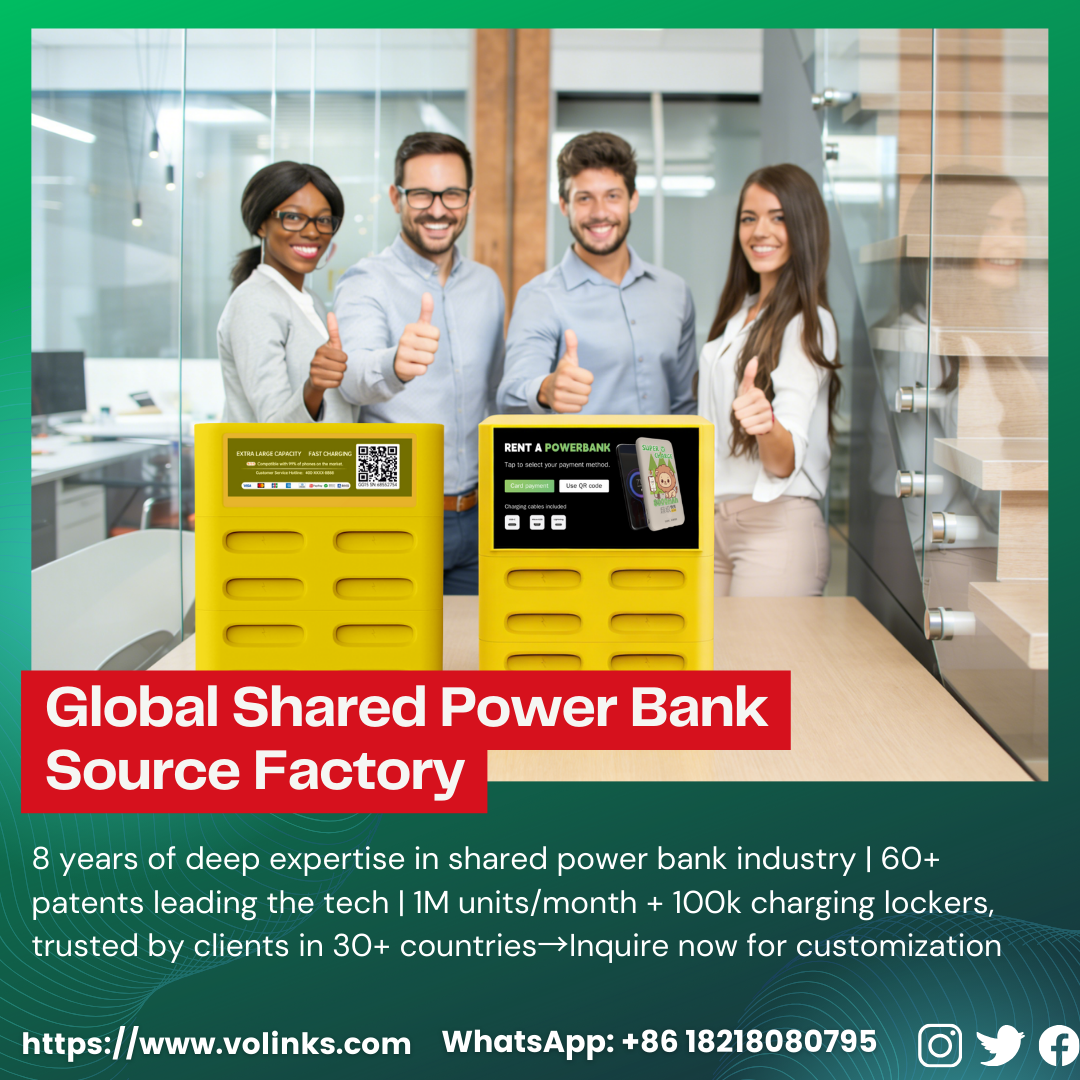 es and local payment methods, reducing friction for end users. The hardware remains configurable via OEM white-label options, letting brands preserve their visual identity while leveraging shared power bank deployments. This approach supports international market expansion by enabling phased rollouts—pilot programs, regional pilots, then full-scale deployment—without sacrificing compliance or security. Operational tooling includes scriptable asset management, remote diagnostics, and fast onboarding of partners, ensuring that local teams can operate autonomously while adhering to brand standards.